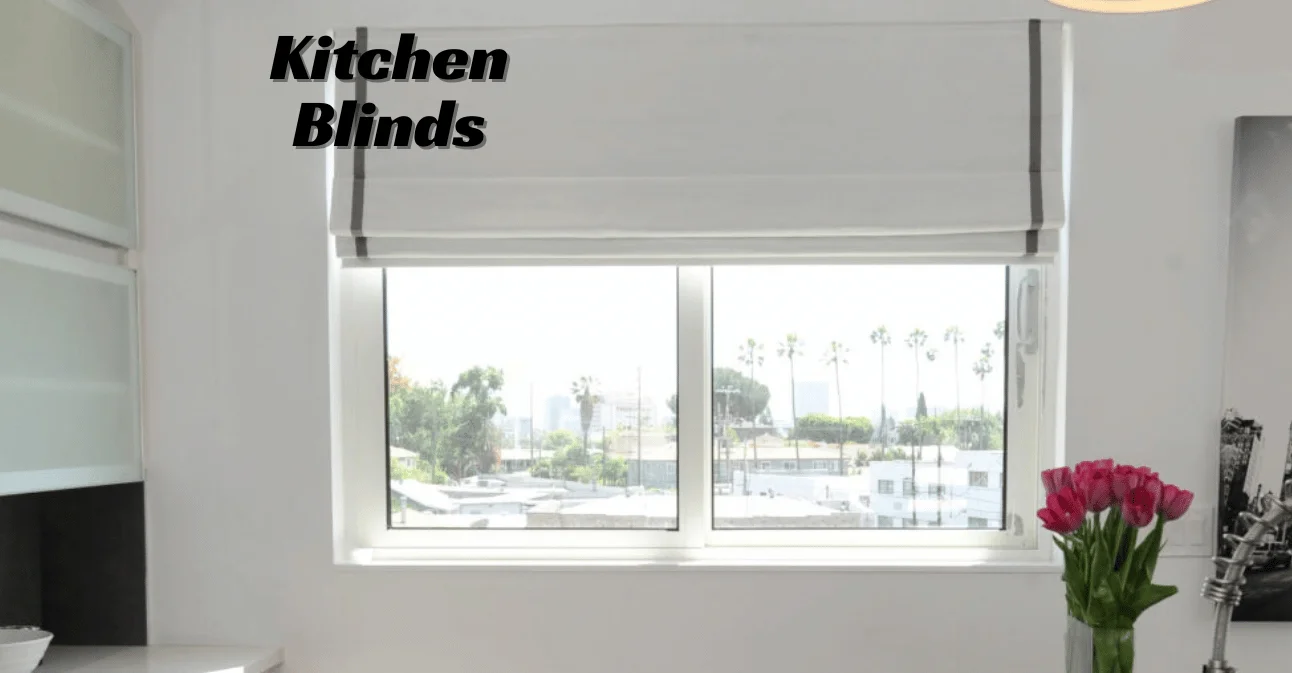
Choosing kitchen blinds means balancing appearance with the demands of a busy room. Steam, grease, splashes and direct sunlight can quickly expose unsuitable materials. The right window covering should handle these conditions while giving you useful privacy and light control.
For most UK kitchens, moisture-resistant rollers, faux-wood Venetians and aluminium Venetians are practical choices. Each offers different advantages for cleaning, privacy and daylight. Your window position should guide the final choice.
Kitchen Blind Options at a Glance
| Type | Moisture resistance | Cleaning | Light control | Best suited to |
|---|---|---|---|---|
| Moisture-resistant roller | High | Easy | Simple | Most everyday kitchens |
| Faux-wood Venetian | High | Easy | Excellent | Overlooked windows and sinks |
| Aluminum Venetian | High | Easy | Excellent | Modern and compact kitchens |
| Perfect Fit | Depends on material | Easy | Good | uPVC doors and windows |
| Roman | Lower | More demanding | Good | Dining areas away from cooking |
| Real wood | Lower | Moderate | Excellent | Dry, well-ventilated areas |
Quick answer: The most practical kitchen window coverings use moisture-resistant, wipe-clean materials. Rollers suit homeowners wanting simplicity, while Venetian styles offer finer control over privacy and daylight. Avoid absorbent fabrics close to sinks or hobs, and always consider ventilation, window handles, and cleaning access before choosing a design.
What Should You Look for in Kitchen Blinds?
A kitchen places different demands on window coverings than a bedroom or lounge. Cooking releases moisture and airborne residue, while sinks create an obvious splash risk. A material that looks attractive in a showroom may become difficult to maintain beside a busy worktop.
Start by considering where the window sits. A covering behind a sink needs stronger water resistance than one beside a dining table. Windows near cooking areas also benefit from smooth surfaces that can be wiped regularly.
Privacy is another important consideration in many UK properties. Street-facing kitchens and overlooked terraces may need coverage during daylight without making the room dark. Adjustable slats can work well because you can change their angle throughout the day.
Natural light matters too, especially in smaller rooms. Dark or bulky coverings can make a compact space feel enclosed. Pale colors and simple profiles usually preserve more visual space.
Which Types Work Best in a Kitchen?
Several styles can perform well, but they suit different priorities. Your decision should consider moisture, cleaning, window position, and desired light control. Appearance can then narrow your shortlist.
Moisture-Resistant Roller Styles
Roller designs provide a clean appearance that suits contemporary and traditional interiors. Suitable PVC-coated or treated materials can cope better with everyday moisture and occasional splashes. Their broad, flat surface is also straightforward to wipe.
They are particularly useful where visual simplicity matters. Raising the covering clears most of the glass and allows maximum daylight into the room. Lowering it provides straightforward privacy when required.
Check the manufacturer’s care instructions before buying. Not every roller fabric is designed for humid areas or regular wiping. Choosing the correct material matters more than choosing the style alone.
Faux-Wood Venetian Styles
Faux wood provides the visual warmth of timber without relying on natural wood in a humid environment. Many products use PVC or composite materials designed to tolerate moisture better. Smooth slats can also be cleaned individually.
The adjustable slats make this option useful for overlooked windows. You can angle daylight upwards while limiting views from outside. This flexibility is valuable where the sink faces a pavement, neighboring property, or shared garden.
Cleaning takes longer than wiping one flat roller surface. Each slat can collect dust and cooking residue over time. Regular light cleaning prevents this build-up from becoming harder to remove.
Aluminum Venetian Styles
Aluminum offers another practical option for kitchens where easy maintenance matters. The material does not absorb moisture as untreated natural materials can. Slim slats also suit modern rooms and smaller windows.
Light control is a major advantage. Tilting the slats changes both glare and privacy without covering the whole window. This can help around reflective worktops during strong morning or afternoon sunlight.
Metal finishes can create a cooler appearance than fabric or wood-effect products. Neutral white, grey or muted metallic colors can reduce that effect. Coordinate the finish with handles, taps and appliances for a more connected scheme.
Where the Window Sits Changes Your Choice
Position often matters more than decorating trends. A window directly behind a sink experiences different conditions from one across a kitchen-diner. Choosing the actual location usually produces a longer-lasting result.
Above a sink, prioritize moisture resistance and easy wiping. The covering should also operate without becoming tangled around taps or objects on the sill. Check handle clearance before ordering anything fitted close to the frame.
A window near a hob requires additional care. Keep window coverings safely away from flames, hot surfaces and cooking equipment. Follow product fitting instructions and relevant appliance clearances.
Windows in dining areas offer more freedom. Softer materials can work where steam, grease and splashes rarely reach them. This area is also better suited to decorative textures that need gentler cleaning.
Kitchen Blinds and Small UK Kitchens
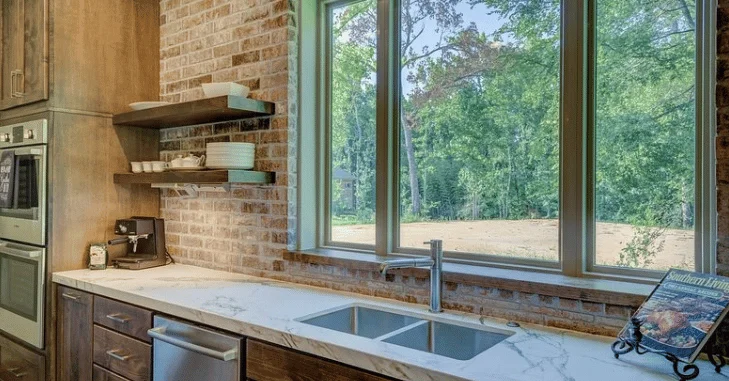
Small kitchens benefit from window coverings that preserve daylight and visual space. Bulky fabrics can make an already compact room feel busier. Simple designs with pale or neutral colors usually create a cleaner effect.
Think about nearby storage at the same time. Typify’s guide to kitchen shelves explains how shallow storage can reduce worktop clutter in compact rooms. Keeping the window area uncluttered can make both features work better together.
Color can also connect different surfaces. White works with many cabinet finishes, while warm neutrals soften grey kitchens. Anthracite can create stronger contrast where the room already has dark frames or fittings.
Typify’s guide to anthracite color in UK homes covers ways to use RAL 7016 and related dark tones. That can help when coordinating window treatments with doors, frames, and other architectural details. Keep enough lighter surfaces nearby so a small room does not become visually heavy.
Measuring and Fitting Considerations
Accurate measurement is essential for a tidy finish. First decide whether the product will sit inside the recess or cover it. Check several points because older UK properties do not always have perfectly square openings.
Look for anything that could obstruct operation. Window handles, taps, tiles and nearby cupboards can all affect the available space. A beautiful covering becomes frustrating if it catches a handle every morning.
uPVC windows may suit no-drill or frame-mounted systems where compatible. These can keep the covering close to the glass and clear of the sill. Always check compatibility with the exact window and product before ordering.
Homes with uneven walls need extra care. Measure according to the manufacturer’s instructions rather than assuming one width represents the whole opening. Professional measuring may be worthwhile for unusually shaped or expensive installations.
How to Match the Window Covering to Your Kitchen Style
Modern kitchens often suit rollers and slim aluminum designs. Their straight lines work well beside flat-fronted cabinetry and simple hardware. Neutral colors can keep attention on worktops, splashbacks and architectural features.
Traditional kitchens can use faux wood for extra warmth. Cream, off-white, and muted wood-effect finishes complement Shaker cabinetry particularly well. They can also echo timber shelves or furniture without using real wood beside a damp window.
Color does not need to match the cabinets exactly. A controlled contrast can make the window look deliberate rather than accidental. Samples are useful because colors can change noticeably under daylight and artificial lighting.
Flooring also influences the finished scheme. If you are planning a broader makeover, Typify’s stick-on floor tiles guide explains practical considerations for self-adhesive flooring. Looking at flooring, cabinetry, and window colors together reduces mismatched undertones.
Common Mistakes to Avoid
Choosing by appearance alone is the most common mistake. A delicate fabric may look attractive but become difficult to maintain near cooking or washing areas. Start with the room conditions before comparing colors.
Another mistake is forgetting cleaning access. Slatted products require individual cleaning, while flat wipeable surfaces are usually faster to maintain. Consider how much maintenance you realistically want to do.
Poor measuring can also spoil an otherwise good purchase. Handles, recess depth, and uneven openings can affect the finished fit. Measure carefully and follow the supplier’s fitting guidance.
Finally, avoid assuming every product marketed for windows suits humid rooms. Materials and coatings vary between manufacturers. Check moisture resistance and cleaning instructions for the specific product you intend to buy.
Are Made-to-Measure Options Worth Considering?
Made-to-measure products can be useful for unusual openings and windows with limited clearance. They can also reduce unwanted gaps around a recess. The value depends on the window and your budget.
Ready-made products remain practical for standard openings where suitable sizes are available. They can cost less and may be quicker to obtain. Careful measuring remains necessary whichever route you choose.
Spend more where the conditions justify it. A hard-working sink window may benefit from a durable, easy-clean finish. A low-use dining window may not require the same specification.
How to Choose Kitchen Blinds That Last
Start with the conditions around the window rather than a particular colour or trend. Identify exposure to water, cooking residue, strong sunlight, and overlooking. This immediately removes unsuitable options.
Next, compare maintenance requirements. A smooth roller surface takes less time to wipe than numerous individual slats. Venetians compensate by offering finer daylight and privacy control.
Finally, order samples when possible and view them in your own room. Compare them during daylight and under evening lighting. A considered choice should fit both the practical demands and the wider kitchen design.
Frequently Asked Questions
What are the best kitchen blinds for a UK home?
The best option depends on the window’s position and how you use the room. Moisture-resistant rollers, faux-wood Venetians and aluminium Venetians are practical choices for many households. Prioritise wipe-clean materials near sinks and busy cooking areas.
Are roller styles suitable for kitchens?
Yes, provided the chosen material is suitable for humid conditions. PVC-coated or moisture-resistant options are generally easier to maintain around splashes. Always check the manufacturer’s stated room suitability and cleaning instructions.
What is suitable for a window above the sink?
A moisture-resistant, wipe-clean material is usually the sensible choice. Faux wood, aluminium and suitable roller materials can all work depending on the window. Make sure the controls remain accessible around taps and items on the sill.
Should I use real wood in a kitchen?
Real wood needs more care around moisture and changing humidity. Faux-wood alternatives are often easier to maintain in splash-prone areas. Natural timber may be better reserved for drier parts of an open-plan kitchen-diner.
Are blinds better than curtains in kitchens?
Blinds often occupy less space and can be easier to wipe around worktops. Curtains can still suit dining areas that sit away from sinks and cooking zones. The better option depends on moisture exposure, cleaning needs and the desired appearance.
Which colours work well in a small kitchen?
White, cream and other pale neutrals can help maintain a bright appearance. Soft greys and warm natural tones also work with many popular cabinet finishes. Dark colours can create contrast, but use them carefully where daylight is limited.
Choosing the Right Finish for Your Home
A good kitchen window treatment should make everyday life easier, not create another cleaning problem. Choose the material for the window’s conditions first, then compare colour, texture and style. That approach helps balance practical performance with a finish you will enjoy seeing every day.
Before buying, measure carefully and check the manufacturer’s suitability guidance. Consider the sink, hob, handles and surrounding storage as part of the same decision. For more practical renovation ideas, browse Typify’s Home Improvement guides when planning the rest of your room.