When choosing a gym bag women should start with their routine, not its colour or logo. If you searched for a women’s gym bag, focus on capacity, compartments, comfort, and easy-clean materials. The right design should handle training gear without becoming awkward during your commute. You might also like Gym Shorts Women Can Rely On.
A compact tote may suit Pilates classes or light workouts. A larger duffel works better when you carry trainers, towels, toiletries, and spare clothing. Your journey to the gym should also influence the shape you choose.
Quick answer: Choose a women’s gym bag that fits your usual kit without leaving too much unused space. Look for comfortable straps, secure pockets, washable materials, and separate storage for damp clothing or trainers. Commuters may also benefit from a laptop sleeve and water-resistant outer fabric.
Quick Gym Bag Buying Guide
| Feature | What to look for | Best suited to |
|---|---|---|
| Capacity | Enough room for your normal training kit | Every gym user |
| Shoe section | Separate or ventilated compartment | Running and strength training |
| Wet pocket | Water-resistant internal section | Swimming and sweaty clothing |
| Laptop sleeve | Padded, separate storage | Work-to-gym commuters |
| Carrying straps | Padded or adjustable straps | Walking and public transport |
| Material | Lightweight and easy to wipe | Frequent gym visits |
| Secure pocket | Zipped area for keys and valuables | Everyday use |
| Bottle storage | Upright external or internal pocket | Longer sessions |
Key Takeaways
- Match the bag size to what you normally carry.
- Choose compartments that solve real storage problems.
- Keep clean clothing away from damp kit where possible.
- Consider your commute before choosing between a tote, duffel, or backpack.
- Check strap comfort before focusing on appearance.
- Easy-clean materials can make frequent use less troublesome.
- A versatile design can also work for short trips or overnight stays.
Gym Bag Women: What Type Should You Choose?
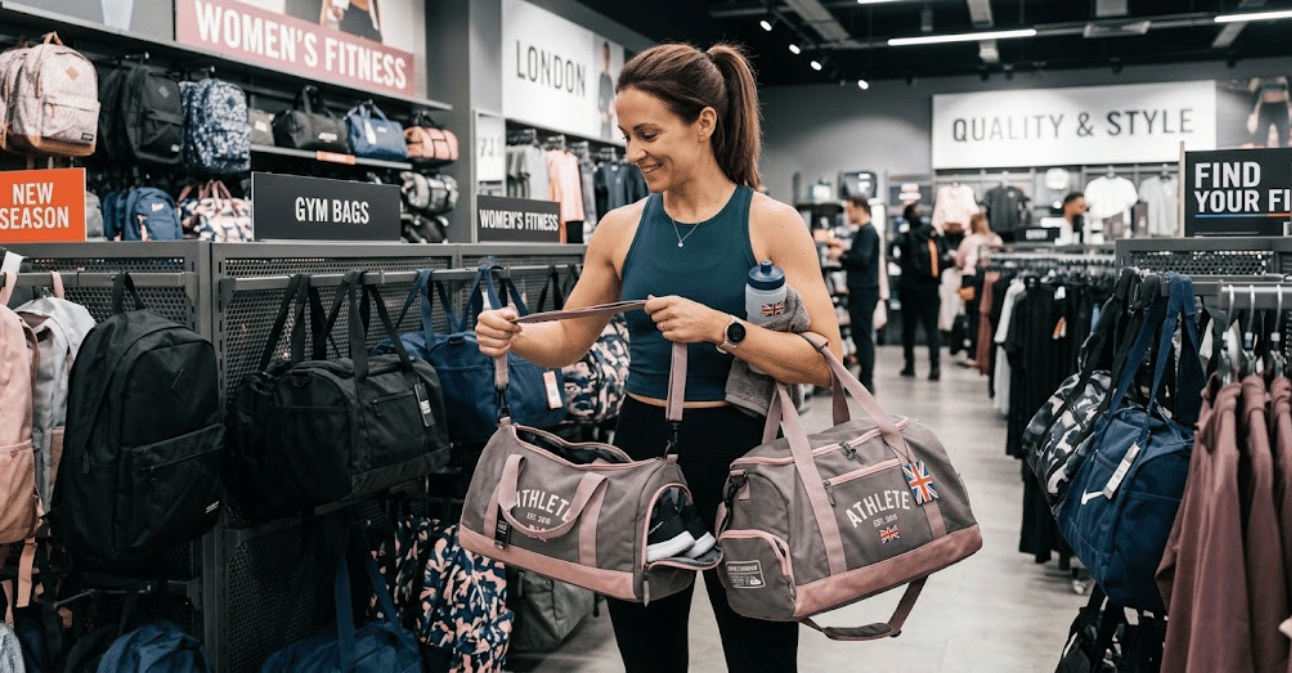
Women’s gym bags now come in several practical shapes. Duffels, backpacks, totes, and smaller holdalls each solve different problems. The best format depends on how much equipment you carry.
A duffel offers generous storage and a wide opening. It usually suits people carrying shoes, towels, clothing, and shower products. The wider shape can become cumbersome on crowded buses or trains.
A backpack spreads weight across both shoulders. This makes it useful for walking or cycling to training. It can also feel easier during a busy commute.
A tote offers quicker access and a cleaner everyday appearance. Some designs can move easily between work, errands, and a fitness class. Check the handles carefully because thin straps can become uncomfortable.
Comparing the Main Gym Bag Styles
| Style | Main advantage | Main drawback | Good choice for |
|---|---|---|---|
| Duffel | Spacious and easy to pack | Can feel bulky | Full gym kits |
| Backpack | Balanced carrying | Less immediate access | Walking or cycling |
| Tote | Smart and versatile | Weight sits on one side | Work-to-gym use |
| Small holdall | Compact and simple | Limited capacity | Short sessions |
| Hybrid bag | Several carrying options | More fittings add weight | Mixed routines |
Verdict: a medium duffel suits most people carrying a complete workout kit. Choose a backpack when your journey involves more walking. Pick a tote when appearance and workday versatility matter more.
How Much Space Do You Need?
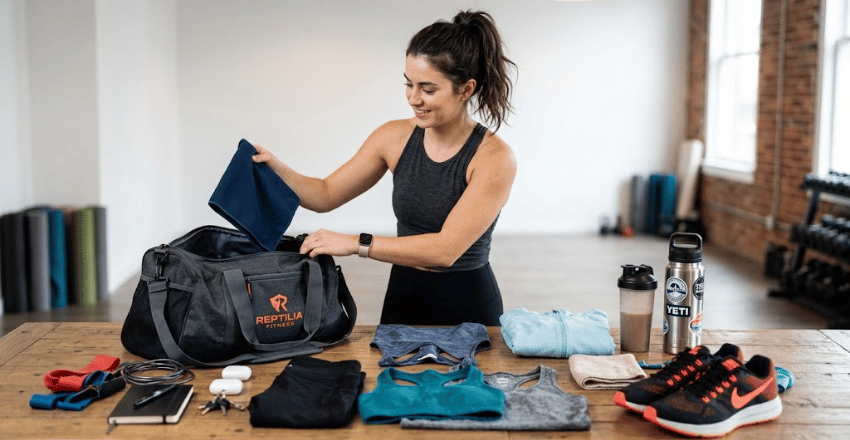
Start by laying out everything you normally take. Include clothing, footwear, a bottle, toiletries, headphones, and recovery items. This gives you a realistic target for capacity.
Small bags work well for studio classes and shorter sessions. You may only need leggings, a top, a bottle, and a few personal items. Extra capacity offers little benefit when you rarely use it.
Medium bags suit broader gym routines. They can usually accommodate trainers, clothing, a towel, and shower essentials. This size also remains manageable for most commutes.
Large bags make sense for swimming, team sports, or longer sessions. They can also work for overnight trips. Avoid oversized designs when you rarely fill them.
Which Compartments Are Worth Having?
Separate storage helps when your kit includes both clean and used items. A shoe compartment stops dirty soles from touching clothing and towels. Ventilation can also help enclosed footwear dry between sessions.
A wet pocket can separate damp clothing after swimming or intense training. Water-resistant lining makes the section easier to clean. Still unpack wet items promptly after returning home.
Small zipped pockets keep essentials easier to find. Keys, cards, earphones, and jewellery can disappear inside one large compartment. A dedicated pocket cuts down on search time.
A padded laptop sleeve matters mainly for commuters. It keeps work equipment away from bottles and training shoes. Consider it essential only when you genuinely carry a computer.
Which Materials Work Best?
Polyester and nylon are common choices because they are light and practical. Many versions can handle regular use without adding excessive bag weight. Check the care instructions before washing.
Water-resistant fabric can help during wet British commutes. It also protects against minor bottle leaks or damp changing rooms. Water resistance does not automatically mean the bag is waterproof.
A wipe-clean lining is worth considering as well. Sweat, cosmetics, and spilled drinks can make interiors unpleasant. Smooth surfaces are usually easier to maintain than absorbent linings.
Canvas can offer a more casual everyday appearance. It may feel heavier than synthetic alternatives when loaded. Check whether the base has extra protection against wet changing-room floors.
Think About Your Journey to the Gym
A ten-minute car journey creates different needs from a long train commute. Shoulder comfort matters more when you carry your kit for extended periods. Bag shape also affects how easily you move through crowded spaces.
Cyclists usually benefit from backpacks with stable straps. A loose shoulder bag can shift while riding. Reflective details may also improve visibility during darker journeys.
Train and bus commuters may prefer compact vertical designs. These take less floor space between seats or near your legs. Secure closures also help when travelling through busy stations.
If your gym visit follows work, consider how the bag matches your daily clothing. Typify’s bandeau top styling guide shows how practical accessories can support different outfits. A neutral gym bag can serve several routines without looking obviously sporty.
What Should You Pack?
Your bag should support your actual training habits. Packing unnecessary extras creates weight without improving your workout. Build a simple checklist based on the facilities you use.
A typical kit might include:
- training clothes;
- sports bra;
- trainers;
- socks;
- reusable water bottle;
- small towel;
- toiletries;
- headphones;
- hair ties;
- lock for a locker;
- clean underwear;
- lightweight outer layer.
Swimming requires a slightly different setup. Add swimwear, goggles, a larger towel, and suitable footwear. A wet compartment becomes more valuable for this routine.
For holiday workouts, a gym bag can sometimes double as a beach or travel bag. Typify’s sarong guide covers another compact item suited to warm-weather packing. Multi-use items can reduce luggage bulk during shorter trips.
Features That Matter More Than Appearance
A stylish design matters only if the bag works comfortably. Start with strap width, zip quality, compartment placement, and overall weight. These features affect every journey.
Inspect how the bag opens before buying. Wide openings make it easier to pack larger items. Narrow openings can make otherwise spacious bags frustrating.
Check whether the base holds its shape. A structured bottom can stop the bag collapsing during packing. It may also protect against damp floors.
Hardware deserves attention too. Zips should move smoothly without catching the surrounding fabric. Adjustable clips should remain secure when the bag is full.
Common Buying Mistakes
Buying too large is one of the easiest mistakes. Extra space often encourages unnecessary packing. The result is a heavier, less convenient bag.
Choosing too small can create the opposite problem. Shoes may press against clean clothing or bottles may sit awkwardly. Measure your normal kit before comparing dimensions.
Ignoring strap comfort can also cause regret. A bag may look light while empty but feel different when loaded. Test adjustable straps whenever possible.
Another mistake is expecting one compartment to organise everything. Internal sections can reduce mixing between clothes, footwear, and valuables. Choose useful storage rather than the highest possible pocket count.
Keeping Your Bag Fresh and Organised
Empty the bag after every training session. Leaving damp clothing inside encourages unpleasant smells. Shoes also need airflow after use.
Wipe the interior regularly, following the care instructions. Pay particular attention to bottle pockets and wet compartments. Small spills become harder to remove when left untreated.
Store rarely used equipment elsewhere instead of carrying it permanently. Typify’s vacuum storage bag guide explains practical storage for seasonal clothing. Keeping your gym kit focused also reduces unnecessary weight.
A small organiser pouch can hold toiletries and personal items. This makes it easier to transfer essentials between bags. It also protects the main compartment from small leaks.
Best Choice for Different Routines
For light classes: choose a compact tote or small holdall. You need easy access rather than maximum capacity. A bottle pocket can still be useful.
For strength training: choose a medium duffel with separate shoe storage. Weightlifting shoes and accessories can require extra room. Strong handles also matter when the bag becomes heavier.
For swimming: prioritise a wet section and easy-clean lining. Keep damp towels separate from dry clothing. A wide opening can make changing easier.
For work-to-gym travel: consider a tote, backpack, or hybrid bag with a laptop sleeve. Keep electronics separated from bottles. A neutral design can also work better in professional settings.
For walking or cycling: choose a secure backpack with adjustable straps. Balanced weight can make longer journeys more comfortable. Avoid loose designs that shift excessively.
Is a Dedicated Women’s Gym Bag Necessary?
You do not need a gender-specific bag for practical performance. Capacity, materials, and carrying comfort matter more than the product label. Many unisex sports bags work just as well.
Women-focused designs may offer different colours, proportions, or styling. Some also combine tote shapes with fitness-specific storage. These differences are preferences rather than requirements.
Choose the bag that fits your body and routine. Try the straps and check where the bag sits when loaded. Let functional comfort guide your final decision.
Frequently Asked Questions
What size gym bag should women choose for everyday training?
A medium-sized bag works well for many everyday routines. It usually fits shoes, clothing, a towel, and personal items. Choose smaller or larger based on the equipment you normally carry.
Is a backpack or duffel better for the gym?
A backpack suits longer walks, cycling, and public transport. A duffel offers quicker access and often provides more open storage. Your commute should decide which advantage matters more.
Do I need a separate shoe compartment?
A shoe section is useful but not essential. It keeps dirty soles away from clothing and smaller items. A washable shoe pouch can provide similar separation.
What colour is most practical?
Dark neutral colours can hide everyday marks more easily. Black, navy, grey, and darker green also work with many outfits. Lighter colours may require more frequent cleaning.
Can I use a gym bag for travelling?
Many medium and large designs work for short trips. Check dimensions if you plan to use one as cabin luggage. Airline size rules differ, so verify them before travelling.
Final Verdict
The best choice solves your specific packing and travel problems. A search for a gym bag for women may show countless shapes, colours, and brands. Start by narrowing options by capacity and carrying comfort.
For most users, a medium duffel provides the strongest balance of space and simplicity. Commuters may benefit more from a structured backpack or versatile tote. Swimmers should prioritise wet storage and easy-clean materials.
Before buying, place your regular kit together and estimate how much room it needs. Check the bag dimensions, strap design, compartments, and cleaning instructions. That simple process can prevent both overpacking and buying twice.