Investing in stock markets has become one of the most effective ways to build long-term wealth, and index funds are among the most popular tools for achieving this goal. The Vanguard US equity index represents a strategy designed to track the performance of the broader U.S. stock market by investing in a wide range of American companies.
Vanguard has long been a pioneer in index investing and is widely known for its commitment to low-cost funds. The company’s founder, John C. Bogle, helped popularize the concept of passive investing, which forms the foundation of the Vanguard US equity index approach.
The idea behind index investing is simple: by holding shares in many companies across multiple industries, investors can capture the overall growth of the economy while minimizing the risk associated with individual stocks.
| Category | Details |
| Fund Overview | It tracks the performance of the broader U.S. stock market, investing in hundreds or thousands of U.S. companies across sectors. |
| Investment Strategy | Passive management mirrors major indexes like the S&P 500 and the CRSP US Total Market Index. Allocates funds proportionally based on index weightings. |
| Key Features | Broad diversification, low investment costs, passive strategy, transparent structure, long-term growth potential. |
| Major Sectors | Technology, healthcare, financial services, consumer goods, energy, and industrial manufacturing. |
| Benefits | Long-term growth potential, simplicity, reduced risk via diversification, cost efficiency, and market-wide exposure. |
| Risks | Market risk, economic downturns, sector concentration, and short-term volatility. |
| Who Should Invest | Long-term investors, retirement savers, and individuals seeking diversified, low-cost portfolios. |
| Comparison vs Active Funds | Lower fees, broader diversification, higher transparency, passive strategy vs manager-dependent active management. |
| Long-Term Strategy | Dollar-cost averaging, consistent contributions, compounding returns, and patience during market fluctuations. |
| Outlook | Tied to U.S. economic growth, technological innovation, and global markets. Expected to remain widely used for individual and institutional investors. |
| Managed By | The Vanguard Group – known for low-cost mutual funds and ETFs, investor-owned structure, and focus on long-term investing. |
Vanguard US Equity Index

The Vanguard US equity index represents a diversified investment approach designed to track the overall performance of the United States stock market. Rather than focusing on a few individual companies, this index-based strategy invests in a broad range of publicly traded U.S. corporations across multiple sectors such as technology, healthcare, finance, consumer goods, and energy.
By mirroring the structure of major U.S. equity benchmarks like the S&P 500 and the CRSP US Total Market Index, it provides investors with exposure to hundreds or even thousands of companies in a single investment. This broad diversification helps reduce the risks associated with investing in individual stocks.
It is widely used by individual investors, retirement funds, and institutional portfolios because of its low management costs, transparent structure, and long-term growth potential. Over time, as U.S. businesses expand, innovate, and generate profits, investors in such index funds can potentially benefit from capital appreciation and dividend income.
Overview of The Vanguard Group
The Vanguard Group is one of the world’s largest investment management firms. Founded in 1975, the company is known for offering low-cost mutual funds and exchange-traded funds (ETFs).
Key features of Vanguard include:
- Investor-owned structure
- Low expense ratios
- Focus on long-term investing
- Wide selection of index funds
- The equity index is one of many products designed to help investors access diversified portfolios with minimal costs.
How the Vanguard US Equity Index Works?

These fund operates using passive investment management. Instead of actively selecting stocks, the fund attempts to replicate the performance of a specific U.S. stock market index. This is achieved by purchasing shares of the companies that make up the index in roughly the same proportions.
For example, if a company represents 5% of the index’s total value, the fund allocates approximately 5% of its portfolio to that company. As the index changes over time, the fund adjusts its holdings accordingly. This method allows investors to benefit from overall market growth while avoiding the high fees associated with active management.
Major Companies Included in the Index
It typically includes hundreds or even thousands of companies across multiple sectors of the U.S. economy.
Some major industries represented include:
- Technology
- Healthcare
- Financial services
- Consumer goods
- Energy
- Industrial manufacturing
Key Features of the Vanguard US Equity Index

1. Broad Diversification
One of the most important advantages of the equity index is diversification. By holding shares in a large number of companies, the fund spreads risk across multiple sectors and industries.
2. Low Investment Costs
Vanguard is famous for keeping costs extremely low. Expense ratios for Vanguard index funds are often significantly lower than those of actively managed funds. Lower fees mean investors keep more of their investment returns over time.
3. Passive Investment Strategy
Passive investing eliminates the need for constant stock analysis and trading decisions. The equity index simply tracks an existing market index, making it easier for investors to participate in long-term market growth.
4. Transparency
Because the fund follows a known index, investors can easily understand which companies are included and how the portfolio is structured. This transparency helps build trust and confidence among investors.
Performance of the Vanguard US Equity Index
- Strong Historical Returns: U.S. stock markets have historically delivered solid long-term investment returns.
- Market-Wide Exposure: It reflects the performance of the overall U.S. stock market.
- Higher Growth Potential: Equities have generally produced better long-term returns than bonds or savings accounts.
- Long-Term Investment Focus: Investors often hold index funds for many years to benefit from market growth.
- Market Volatility: Short-term price fluctuations are common due to economic and global factors.
- Patience Required: Long-term investing helps investors manage temporary market ups and downs.
Benefits of Investing in the Vanguard US Equity Index

Long-Term Growth Potential
The U.S. economy includes some of the most innovative and profitable companies in the world, operating in sectors such as technology, healthcare, finance, and consumer goods. By investing in the equity index, investors gain exposure to these leading businesses and can benefit from their long-term growth and market expansion.
Simplicity
Index funds are widely known for their simplicity and transparency. The equity index follows a specific market index, meaning it simply mirrors the performance of a broad group of U.S. companies rather than relying on complex investment strategies.
Reduced Risk Through Diversification
One of the major advantages of the Vanguard US equity index is diversification. Instead of investing in a single company, investors own shares in hundreds of different businesses across multiple industries. This diversified structure helps spread risk because of poor performance.
Cost Efficiency
Cost efficiency is another key benefit of index funds, such as the equity index. Because these funds follow a passive investment strategy and simply track a market index, they require fewer management resources than actively managed funds.
Role of Dividends in the Vanguard US Equity Index
An often overlooked but important feature of the Vanguard US Equity Index is the role of dividends in long-term returns. Many of the companies included in the index, such as large-cap U.S. corporations, regularly distribute a portion of their profits to shareholders in the form of dividends. These dividend payments are either reinvested within the fund or paid out to investors, depending on the share class, allowing compounding to work more effectively over time.
Reinvested dividends can significantly enhance total returns, especially during long holding periods, as they purchase additional units of the fund and increase overall portfolio value. This makes dividends a key contributor to the long-term performance and wealth-building potential of index-based investing.
Risks Associated With the Vanguard US Equity Index

Market Risk
- Stock markets can fluctuate due to changes in economic conditions, such as inflation, interest rates, unemployment levels, and overall economic growth.
- Political events, including elections, government policies, trade agreements, and geopolitical tensions, can influence investor confidence and market stability.
- Investor sentiment also plays a major role, as optimism can drive stock prices higher while fear or uncertainty may lead to market declines.
Economic Downturns
- Economic recessions can slow business growth and reduce corporate earnings.
- During financial crises, investors often sell stocks rapidly, causing sharp market declines.
- Reduced consumer spending in recessions can negatively affect company revenues and profits.
- Investors holding equity index funds may experience temporary losses during these periods.
Sector Concentration
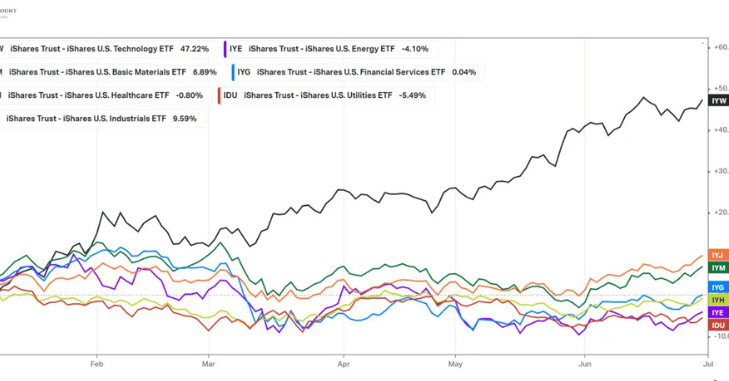
- Certain sectors, such as technology, may represent a large portion of the index.
- When a single sector dominates the index, its performance can strongly influence overall returns.
- This concentration may increase exposure to sector-specific risks.
- Investors should be aware that sector weighting can impact diversification within the index.
Who Should Consider Investing?
- Long-term investors
- Retirement savers
- Individuals seeking diversified portfolios
- Investors who prefer low-cost strategies
- Because of its broad exposure to the U.S. stock market, the fund is often used as a core holding in investment portfolios.
Vanguard US Equity Index vs Actively Managed Funds

| Feature | Vanguard US Equity Index | Actively Managed Funds |
| Management Style | Passive | Active |
| Fees | Low | Usually higher |
| Diversification | Broad | Depends on strategy |
| Risk | Market-based | Manager dependent |
| Transparency | High | Moderate |
Long-Term Investment Strategy
Investors often use the equity index as part of a disciplined long-term investment strategy because it allows them to benefit from the steady growth of the U.S. stock market over time. By consistently investing through regular contributions, such as monthly deposits, individuals can take advantage of compound growth, in which investment returns generate additional returns over time.
This strategy also helps investors reduce the impact of short-term market fluctuations through a method commonly known as dollar-cost averaging, where investments are spread out over time rather than made all at once. As a result, investors may purchase more shares when prices are lower and fewer.
Outlook
- The future outlook for U.S. equity markets is strongly connected to overall economic growth and stability.
- Continued global market expansion and international trade may further support the growth of American businesses.
- As U.S. companies develop new products and services, index funds tracking the U.S. market are likely to remain essential investment tools.
- Many investors rely on these funds to gain broad exposure to a large number of companies across multiple sectors.
Conclusion
It represents a powerful and accessible way to invest in the U.S. stock market. By tracking a broad range of American companies, the fund offers diversification, transparency, and low costs, three key elements of successful long-term investing.
Managed by The Vanguard Group, this index strategy has helped millions of investors participate in market growth without the complexity and expense of active management. While market risks still exist, the Vanguard US equity index continues to stand out as one of the most reliable and efficient investment approaches available today.
Want to know about UBS S&P 500 Index: All You Need to Know About How the UBS S&P 500 Index Works, Benefits of Investing, Key Features, Risks Associated with the UBS S&P 500 Index, And Much More Check out our Finance category.
FAQs
It is an index fund that tracks the performance of the broader U.S. stock market by investing in hundreds or thousands of U.S. companies across multiple sectors.
The fund uses a passive investment strategy, replicating a major market index like the S&P 500, allocating shares proportionally according to the index.
Benefits include long-term growth potential, broad diversification, low costs, simplicity, transparency, and market-wide exposure.
Risks include market fluctuations, economic downturns, sector concentration, and short-term volatility, which can impact returns.
It is ideal for long-term investors, retirement savers, individuals seeking diversified and low-cost portfolios, and those looking for a core investment in U.S. equities.