Investing is one of the most effective ways to grow wealth over time. However, many investors focus solely on potential returns and ignore a key factor: investment fees. Still, understanding Vanguard fees is essential before investing, and knowing how these costs work helps you make smarter financial decisions and protect your long-term returns.
Small charges can slowly erode your portfolio’s overall growth. For investors in the United Kingdom and around the world, Vanguard is known for offering relatively low-cost investment funds and transparent pricing. This detailed guide explains Vanguard’s expense ratios, trading costs, advisory fees, and potential hidden charges, all in simple, clear language for investors.
Vanguard Fees and Investment Overview
| Topic | Explanation |
|---|---|
| Vanguard Fees | Costs paid for Vanguard investment services. |
| Expense Ratio | Annual fee for managing a fund. |
| Platform Fee | Fee for using the Vanguard platform. |
| Advisory Fee | Cost of professional investment advice. |
| Trading Cost | Charges when buying or selling assets. |
| Bid–Ask Spread | The gap between the buying and selling prices. |
| Index Funds | Funds that track a market index. |
| Passive Investing | A strategy that follows market performance. |
| Active Funds | Funds managed by stock-picking experts. |
| Vanguard ISA | Tax-efficient UK investment account. |
| ISA Tax Benefit | Gains are usually free from tax. |
| Platform Fee Rate | About 0.15% yearly in the UK. |
| Low-Cost Investing | Focus on reducing investment fees. |
| Portfolio Diversification | Investing in different assets. |
| Compounding Growth | Returns are growing over time. |
| Long-Term Investing | Holding investments for many years. |
| Fund Management | Handling and monitoring investments. |
| Administrative Costs | Expenses for fund operations. |
| Transaction Fees | Charges for certain fund trades. |
| FTSE 100 Index | Tracks major UK companies. |
| FTSE All-Share Index | Covers a wider UK market. |
| FTSE Global All Cap | Global stock market index. |
| Investment Strategy | Plan to achieve financial goals. |
| Portfolio Monitoring | Checking investment performance. |
| Investment Returns | Profit from investments. |
What Are Vanguard Fees?
Vanguard fees are the costs investors pay for using Vanguard investment products and services. These fees help cover the costs of managing funds, maintaining accounts, and providing investment guidance.
Most Vanguard investors will encounter the following types of fees:
- Fund expense ratios
- Advisory or portfolio management fees
- Trading costs
- Account service charges
- Administrative expenses
The company is widely recognized for its low-cost investment model, which helps investors keep more of their returns. Unlike many financial firms, Vanguard operates with a structure designed to keep investment costs as low as possible for clients. This approach has helped the company attract millions of long-term investors worldwide.
Understanding Expense Ratios

The expense ratio is the most common cost associated with Vanguard funds. It represents the annual percentage charged for managing and operating an investment fund.
This fee is automatically deducted from the fund’s assets, meaning investors do not see it as a direct bill.
Example of an Expense Ratio
Imagine investing £10,000 in a fund with an expense ratio of 0.10%. This means the annual management cost would be:
£10 per year for every £10,000 invested.
Although the cost appears small, it is important to remember that expense ratios accrue each year, meaning they compound over time.
What Expense Ratios Cover?
Expense ratios generally include:
- Portfolio management
- Administrative services
- Regulatory compliance
- Record keeping
- Investment research
Because Vanguard specializes in index funds, which simply track market indexes rather than actively selecting stocks, the management costs are typically lower than those of actively managed funds.
Vanguard Advisory Fees

Some investors prefer professional support rather than managing investments themselves. Vanguard offers portfolio advisory services designed to help investors build long-term strategies. Advisory fees usually depend on the amount of money invested.
For example, investors may pay an annual management fee of around 0.30% of the portfolio value.
To understand this in practical terms:
- A portfolio worth £50,000 may cost about £150 per year in advisory fees.
This service generally includes:
- Personal financial planning
- Portfolio management
- Retirement planning strategies
- Investment monitoring
- Portfolio rebalancing
For beginners or investors who prefer professional guidance, these services can provide useful long-term support.
Trading Costs and Transaction Fees
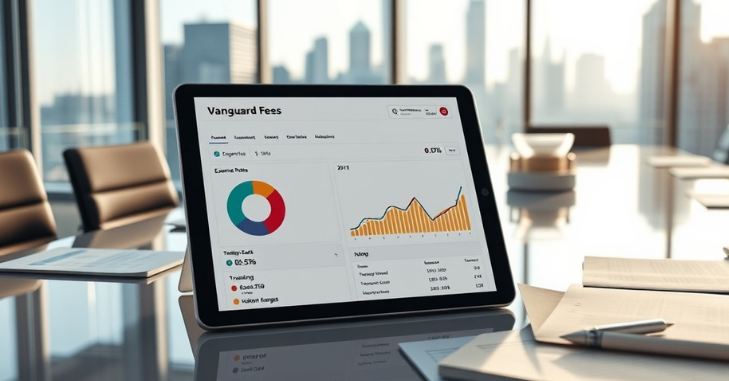
Vanguard is known for providing low-cost trading options, particularly for its own funds and exchange-traded funds (ETFs). However, some trading costs may still apply depending on the type of investment.
Possible transaction costs include:
- Charges for purchasing certain external funds
- Costs associated with frequent trading
- Market spreads when buying or selling ETFs
The bid–ask spread is an important concept investors should understand. It represents the difference between the price buyers are willing to pay and the price sellers are willing to accept for security. While not an official fee, it can affect the final price you pay when trading.
Long-term investors who buy and hold funds typically experience very low trading costs.
Hidden Costs Investors Should Know
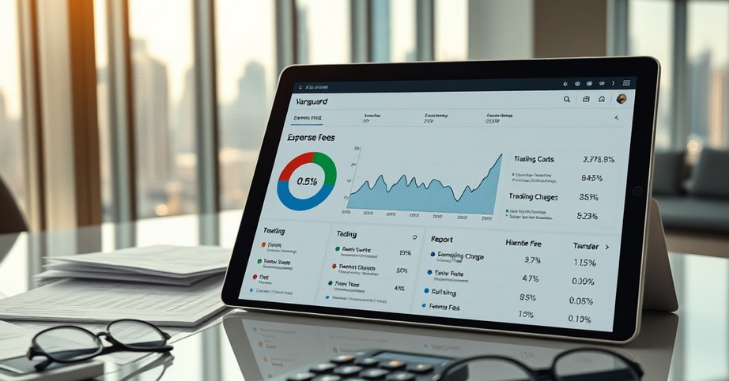
Although Vanguard promotes transparent pricing, some costs may not always be obvious to new investors. Understanding these hidden charges can help you avoid surprises.
Account Administration Fees
Some investment accounts may include small administrative fees, particularly if paper statements or additional services are requested.
Fund Internal Trading Costs
Investment funds sometimes buy and sell securities within their portfolios. These internal trading activities may create additional operational expenses. Although these costs are not directly billed to investors, they can slightly affect overall fund performance.
Advisory Programme Costs
If you use Vanguard advisory services, you will usually pay both:
- The advisory management fee
- The expense ratio of the underlying funds
For this reason, investors should always consider the total cost of investing, rather than focusing on a single fee.
Why Investment Fees Matter?

Many investors underestimate how much fees can affect their long-term financial outcomes. Small annual costs may seem harmless, but over the long term, they can significantly reduce total returns.
The Science of Compounding
The concept of compound growth explains how investments grow over time when returns are reinvested. The same principle also applies to fees.
For example:
- An investment of £100,000 growing at 7% annually for 30 years could grow to roughly £760,000.
However, if investment costs reduce the annual return to 6%, the final amount could fall to about £574,000. That difference of more than £180,000 shows how small percentage fees can have a large financial impact.
Vanguard Fees Compared with Other Investment Platforms

Compared with many traditional investment firms, Vanguard is widely recognized for its low-cost structure.
Typical comparisons show:
- Traditional financial advisers may charge around 1% annually
- Some digital investment platforms charge between 0.25% and 0.75%
- Vanguard advisory services often remain around 0.30%
Because of this competitive pricing, Vanguard funds are particularly popular with long-term investors who prefer passive investment strategies.
Advantages of Vanguard’s Low-Fee Model

Lower investment fees offer several benefits for investors.
Higher Net Returns
Lower costs mean more money stays invested and continues growing over time.
Simpler Investment Approach
Many Vanguard funds focus on broad market indexes, reducing the need for complex trading strategies.
Greater Transparency
Vanguard generally provides clear explanations of fund costs, which helps investors understand exactly what they are paying.
Long-Term Investment Focus
The company encourages investors to focus on long-term financial goals rather than short-term market speculation.
Tax-Efficient Investing with Vanguard
Another important benefit of investing through Vanguard is access to tax-efficient accounts such as ISAs and pension products in the UK. These accounts allow eligible investors to grow their investments without paying tax on certain capital gains, dividends, or interest, depending on applicable regulations.
Combining Vanguard’s low-cost funds with tax-efficient investing can help maximize long-term returns by reducing the impact of both fees and taxes. For investors focused on retirement planning or long-term wealth accumulation, making full use of available tax allowances can be just as important as selecting low-cost investment funds.
Tips to Reduce Vanguard Fees

Although Vanguard already offers competitive pricing, investors can still reduce their costs further by following smart strategies.
Choose Low-Cost Index Funds
Index funds usually have lower expense ratios compared with actively managed funds.
Avoid Frequent Trading
Regular buying and selling can increase transaction costs and reduce returns.
Consider Self-Directed Investing
Managing your own investments can help you avoid advisory service charges.
Focus on Long-Term Investing
Holding investments for many years allows compounding to work more effectively.
Final Thoughts
Understanding Vanguard fees is essential before making any investment decision. While the company is well known for offering low-cost funds, investors should still evaluate all possible expenses, including expense ratios, trading costs, and advisory fees.
The key lesson for investors is simple: lower costs lead to stronger long-term investment growth. By choosing efficient funds, avoiding unnecessary trading, and focusing on long-term financial planning, investors can make the most of their portfolios while keeping fees under control.
Want to know about L&G Global Technology Index: A Comprehensive Guide to Global Tech Market Investment Check out our Finance category.
Frequently Asked Questions (FAQs)
Vanguard fees are the costs investors pay for using Vanguard investment funds, brokerage accounts, or advisory services. These charges may include expense ratios, account fees, and portfolio management costs.
Fees vary depending on the fund or service used. Many Vanguard funds have relatively low expense ratios, while advisory services may charge around 0.30% annually based on the total investment amount.
Many Vanguard funds are known for lower expense ratios than many actively managed funds, making them attractive to long-term investors.
Vanguard ETFs generally have low trading costs, but investors may still encounter small market spreads when buying or selling shares.
Yes. Investors who manage their own portfolios and invest directly in Vanguard funds can avoid advisory management charges.
Vanguard focuses on efficient fund management and long-term investing strategies, which helps reduce operational costs and keep expense ratios relatively low.