


Launched in 2019, the Lotus Evija is a groundbreaking electric hypercar celebrated for its extreme performance, limited production, and luxury craftsmanship. With a starting Lotus Evija Price of around £2.3 million, the vehicle combines a 2000-hp electric powertrain, advanced battery technology, and bespoke customization options.
Its limited availability, high-end materials, and innovative engineering contribute to its premium cost, positioning the Evija as a collectible and a statement of automotive excellence in the hypercar market. For a closer look, see Heat Pump Tumble Dryer.
| Category | Key Points |
| Launch Year | 2019 |
| Base Price | £2.3 million |
| Powertrain | 2000 hp electric |
| Acceleration | < 3 sec |
| Battery | 70 kWh Li-ion |
| Production | 130 units |
| Customization | Paint & interior |
| Material | Carbon fiber body |
| Maintenance | High cost |
| Insurance | £10,000+ yearly |
| Comparisons | Rimac, Battista, Tesla |
| Resale Factors | Brand, Exclusivity, Performance |
| Market Trend | EV demand rising |
| Warranty | 3 years standard |
| Ownership | Specialized service |
Background of the Lotus Evija Price
Launched in 2019, the Lotus Evija is celebrated for its astonishing performance numbers and the ambitious goal of setting new standards for electric vehicles. With a limited production run of just 130 units, the Evija is not only a technological marvel but also a coveted collectible.
The Lotus Evija Price reflects its status as a luxury hypercar, with costs skyrocketing based on various attributes.
Price Overview
Base Price
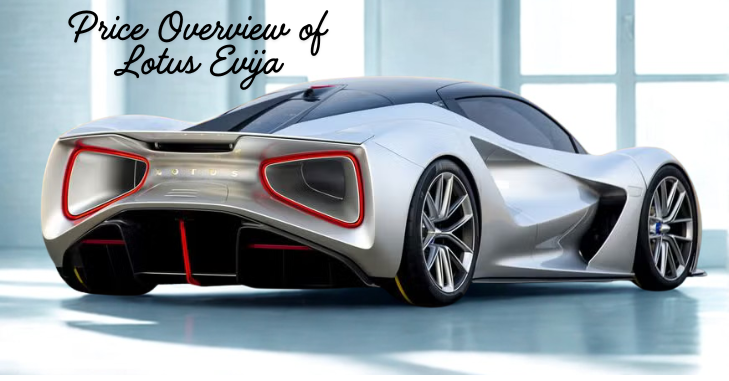
The starting price for the Lotus Evija is approximately £2.3 million, making it one of the most expensive electric vehicles in the world. This base price includes the fundamental features and specifications that distinguish the Evija in the hypercar market, solidifying its premium status.
Additional Costs
Beyond the base price, potential buyers must consider a range of additional costs, which may include:
- Customization Options: Lotus offers numerous bespoke options, allowing buyers to personalize their Evija. These may include unique paint colors, specialized interior materials, and custom aerodynamic kits. Customization can add significant value to the final price, with estimates suggesting an additional £100,000 to £300,000 for extensive personalization.
- Tax and Import Duties: Depending on the buyer’s location, taxes and import duties can substantially increase the overall cost. For instance, buyers in the U.S. may face hefty tariffs or value-added tax (VAT) that adds thousands to the base price.
- Insurance: As a luxury hypercar, insurance for the Lotus Evija can be quite high. Owners should anticipate annual insurance premiums potentially exceeding £10,000, depending on various factors, including the owner’s driving history and location.
- Maintenance and Warranty: While Lotus provides a warranty for the Evija, the maintenance costs for such a high-performance vehicle can be more than standard. Regular servicing should be budgeted as part of the ownership experience, which might approach £2,000 annually.
Cost Factors Affecting the Price of the Lotus Evija
The price of the Lotus Evija is influenced by several critical factors that reflect its performance capabilities, technological advancements, and luxury features:
Cutting-edge Technology
The Lotus Evija is powered by a 2000-horsepower electric powertrain, enabling it to accelerate from 0 to 60 mph in under three seconds. Achieving such performance requires sophisticated engineering and high-quality materials, which contribute significantly to the vehicle’s overall cost.
Additionally, the Evija features advanced lithium-ion battery technology with a 70 kWh capacity, delivering exceptional range and performance. The complexity of the battery systems and the premium materials used further increase production costs, reflected in the car’s high price.
Limited Production
With only 130 units being produced, the limited availability of the Evija significantly affects its desirability and pricing. Collectors and enthusiasts willing to invest in unique hypercars can drive the price up in the secondary market, where demand often exceeds supply.
Craftsmanship
The Evija features a body primarily constructed from lightweight carbon fiber, contributing both to performance and design aesthetics. The use of high-end materials contributes to increased manufacturing costs compared to conventional vehicles.
Each Evija is largely handcrafted, emphasizing Lotus’s commitment to quality and detail. This artisanal approach inevitably raises production costs compared to mass-produced vehicles.
Research and Development
Lotus has invested heavily in research and development to create the Evija. The costs associated with innovation in electric vehicle technology, aerodynamics, and advanced safety features are factored into the price.
Comparative Pricing
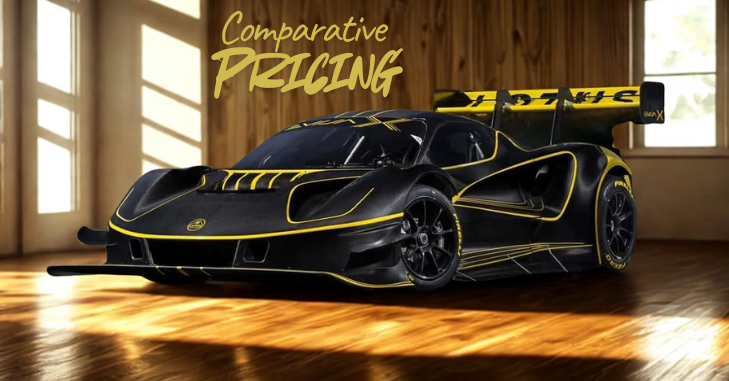
When analyzing the price of the Lotus Evija, it’s essential to compare it with other luxury electric hypercars. This comparative pricing offers context regarding its market position and competitive stature.
1. Rimac C_Two
- Price: The Rimac C_Two starts at approximately €2 million (around $2.4 million).
- Performance: The C_Two boasts performance figures similar to the Evija, including 0-60 mph in under two seconds, highlighting its competitive edge in acceleration.
- Market Position: Like the Evija, the C_Two is an ultra-limited production vehicle, with only 150 units being built, emphasizing exclusivity.
2. Pininfarina Battista
- Price: The Pininfarina Battista is priced around €2.2 million (approximately $2.5 million).
- Performance: It offers a comparable performance profile with a top speed of around 217 mph and acceleration capabilities comparable to the Evija.
- Distinctive Branding: Pininfarina’s heritage in design parallels Lotus’s focus on performance, making it a strong competitor in the luxury electric hypercar market.
3. Tesla Model S Plaid
- Price: As a reference point, the Tesla Model S Plaid starts at around $129,990.
- Performance: While it does not match the exclusive performance metrics of the Evija, it asserts itself as the world’s fastest production vehicle in terms of acceleration.
- Broader Appeal: Unlike the Evija’s limited production, the Model S is mass-produced, making it accessible to a broader consumer base.
Summary of Comparative Pricing
| Model | Base Price | 0-60 mph | Production Numbers |
| Lotus Evija | £2 million (~$2.3M) | < 3 seconds | 130 |
| Rimac C_Two | €2 million (~$2.4M) | < 2 seconds | 150 |
| Pininfarina Battista | €2 million (~$2.4M) | < 2 seconds | 150 |
| Tesla Model S Plaid | $129,990 | < 2 seconds | Mass Production |
Factors Affecting Resale Value
Brand Heritage
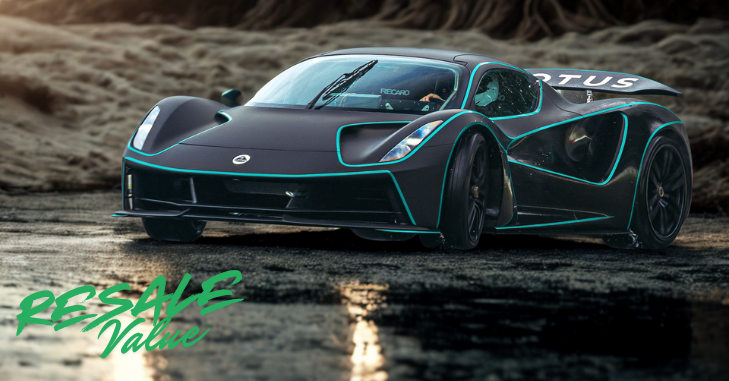
The Lotus brand carries a rich history in motorsports and automotive engineering, which can positively influence the resale value of the Evija. Limited editions from prestigious brands often appreciate over time as they become collectibles.
Exclusivity
The Evija’s limited production run enhances its rarity. As more buyers become aware of hypercars and electric vehicles, the value of limited editions tends to increase, providing a potential return on investment for future owners.
Performance Reputation
As performance metrics become more critical in automotive culture, vehicles that consistently deliver exceptional performance, like the Evija, are likely to hold their value better than other models that do not meet enthusiast expectations.
Market Trends
Shifts in consumer preferences toward electric vehicles will influence the pricing of the Evija in the resale market. As electric vehicles become increasingly normalized, hypercars with electric capabilities may see an uptick in value.
Future Collectibility and Investment Potential
One of the most appealing aspects of the Lotus Evija is its potential to become a highly sought-after collector’s vehicle. With production strictly limited to just 130 units, the Evija combines rarity with cutting-edge electric technology and the prestige of the Lotus brand.
As the automotive industry transitions toward electrification, early electric hypercars with groundbreaking engineering may hold significant historical value. Collectors often favor vehicles that represent major milestones in automotive innovation, and the Evija fits this profile through its record-setting performance, advanced aerodynamics, and handcrafted construction.
Customer Experience and Ownership Costs
Warranty and Service
- Warranty Coverage: Lotus typically includes a warranty period that may last for 3 years or a specific mileage, catering to the luxury automotive segment. This provides peace of mind for buyers, given the vehicle’s complexity and price.
- Specialized Service Centers: Given the Evija’s status as a luxury hypercar, maintenance and repair may require specialized skill sets, meaning owners should seek out workshops familiar with Lotus’s engineering.
Ownership Costs
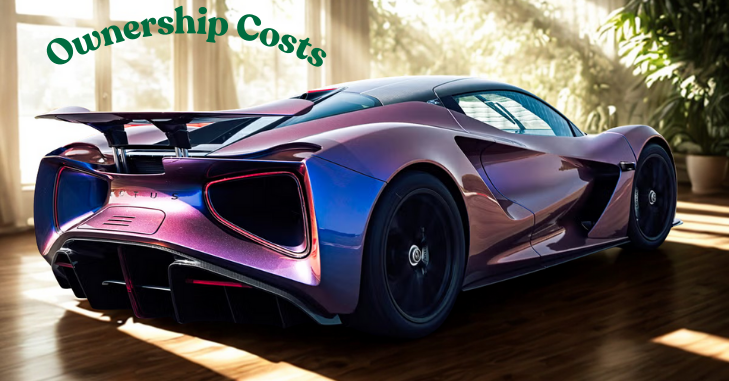
- Insurance: As previously mentioned, insurance premiums for the Evija can be considerable due to its high value and performance, with estimates easily exceeding £10,000 annually.
- Maintenance Fees: High-performance vehicles often incur higher maintenance costs. While exact costs can vary, owners should be prepared for routine service visits that may exceed £2,000 annually.
Conclusion
The Lotus Evija represents a bold assertion of power, luxury, and innovation in the realm of electric vehicles. With a starting price of around £2.3 million, it stands among the most expensive offerings in the hypercar segment.
Factors such as its limited production, advanced technology, and bespoke customization options contribute to its pricing structure. Comparative pricing against similarly positioned hypercars illustrates the competitive landscape in which the Evija operates.
In considering ownership, potential buyers should be aware of the associated costs, including insurance and maintenance, which are intrinsic to owning a luxury hypercar.
However, for those who value performance and exclusivity, the Lotus Evija is more than just a vehicle; it is a statement piece that encapsulates the pinnacle of automotive engineering. With its heritage, performance, and luxury, the Evija is set to resonate with collectors and enthusiasts for years to come.
Want to know about Cupra Car: All You Need to Know About Key Features, Design & Styling, Performance, Popular Models, And Much More Check out our Automobile category.
FAQs
It is anticipated that the 2023 Lotus Evija will start at about $2,300,000. There is only one trim level available for this Lotus, and it has enough equipment to satisfy discriminating hypercar buyers.
All 130 of Lotus’ electric 2020 Evija hypercars were sold, an unprecedented feat. Who’d have thought 20 years ago that Lotus could pull off a 2,000-hp electric hypercar and actually sell it? In terms of both performance and cost, the Evija is the most extreme road vehicle Lotus has ever produced.
Founded in 1948 by Colin Chapman, Lotus is now owned by the Chinese brand Geely Automotive Group, which also owns other automotive brands such as Volvo, Polestar, Zeekr, Smart, and Livan.
An average-spec, well-maintained 1999 Lotus Esprit should cost about $41,600.

