

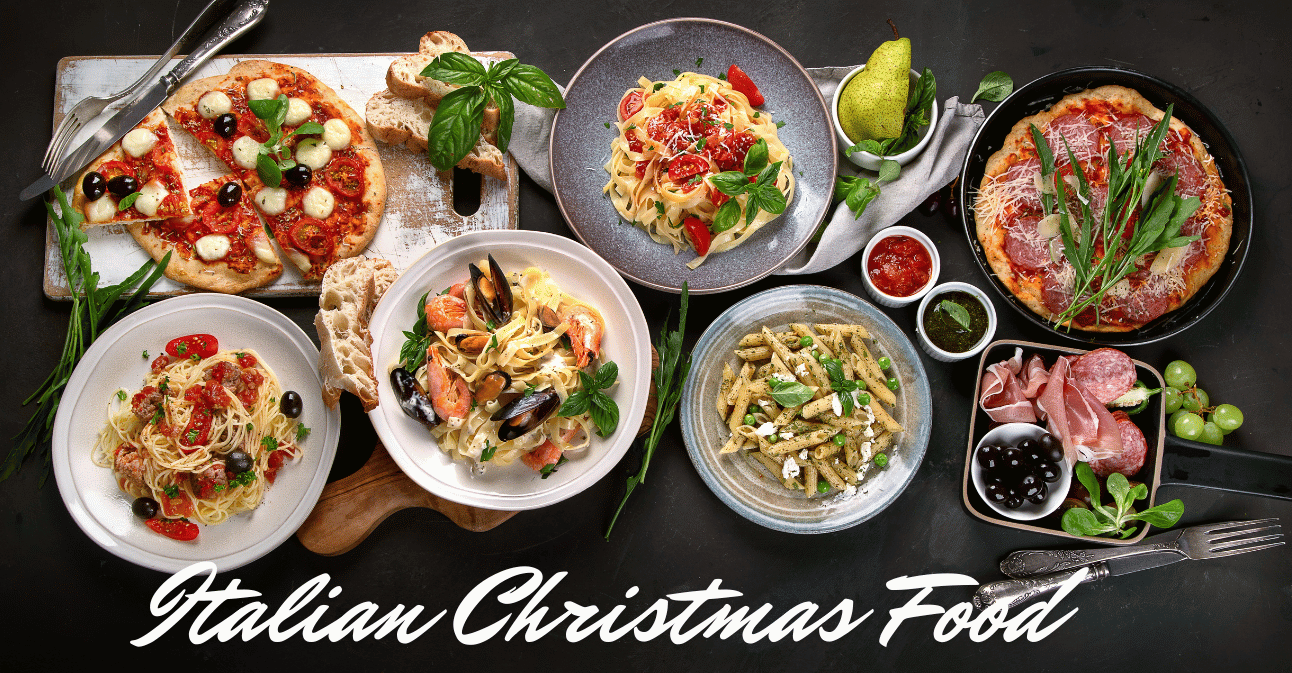
Italian Christmas food is a vibrant reflection of the country’s regional diversity and festive spirit, blending hearty flavors with sweet indulgences. Holiday meals often start with antipasti platters featuring cured meats, cheeses, and marinated vegetables, setting the stage for rich primi piatti like tortellini in brodo, lasagna alla Napoletana, or delicate stuffed pastas that highlight local ingredients and family recipes.
The secondi, main course vary widely, from succulent roast lamb (agnello arrosto) and herb-crusted porchetta to cotechino with lentils, a traditional New Year dish symbolizing prosperity. Side dishes such as stuffed peppers, zucchini, or eggplant add color and flavor, while festive breads and sweets like panettone, pandoro, torrone, and struffoli conclude the meal with a celebratory touch.
| Category | Dish | Region / Notes |
| Starters | Cured Meats & Antipasti | All of Italy, prosciutto, mortadella, olives, roasted veggies |
| First Course | Tortellini in Brodo | Central Italy – hand-stuffed pasta in savory broth |
| Lasagna alla Napoletana | Southern Italy, layered pasta with ricotta, meat sauce, and mozzarella | |
| Main Course | Agnello Arrosto (Roast Lamb) | Central Italy – flavored with rosemary, garlic, olive oil |
| Porchetta | Central/Northern Italy – herb-roasted pork | |
| Cotechino con Lenticchie | Northern Italy, pork sausage with lentils for New Year’s luck | |
| Seafood Feast (La Vigilia) | Southern Italy – seven fish dishes for Christmas Eve | |
| Sides | Stuffed Vegetables | All Italy – peppers, zucchini, eggplant with rice/herbs |
| Desserts | Panettone | Milan – dome-shaped sweet bread with raisins & candied fruit |
| Pandoro | Verona – star-shaped golden cake dusted with sugar | |
| Struffoli | Naples – honey-coated deep-fried dough balls | |
| Beverages | Vin Brulè | All Italy – mulled wine with spices and orange zest |
| Spumante / Prosecco | All Italy – sparkling wine for toasts | |
| Cioccolata Calda | All Italy – thick hot chocolate, sometimes with whipped cream |
Italian Christmas Food
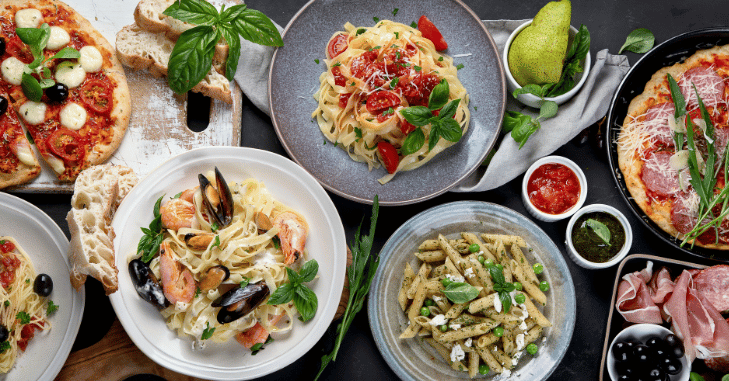
Italian Christmas food is a rich celebration of flavors, textures, and regional traditions, reflecting the country’s deep culinary heritage. Meals often begin with antipasti, including cured meats, cheeses, and cold cuts like prosciutto, mortadella, or porchetta, paired with olives, roasted vegetables, or stuffed delicacies.
The primo courses typically feature comforting pastas such as tortellini in brodo, delicate stuffed ravioli, or baked specialties like lasagna alla Napoletana, layered with ricotta, meat sauce, and mozzarella. For the main course, Italians enjoy secondi ranging from roast lamb (agnello arrosto) and cotechino con lenticchie, a pork sausage with lentils symbolizing luck, to regional seafood feasts, particularly in Southern Italy, where multiple fish dishes dominate La Vigilia on Christmas.
Eve. Side dishes include stuffed vegetables, roasted potatoes, and fresh seasonal greens, highlighting local produce and herbs. Desserts are a highlight of the holiday, with panettone, pandoro, torrone, and struffoli offering sweet, festive indulgence, often paired with custards, creams, or sweet wines.
La Vigilia: Christmas Eve and the Feast of the Seven Fishes
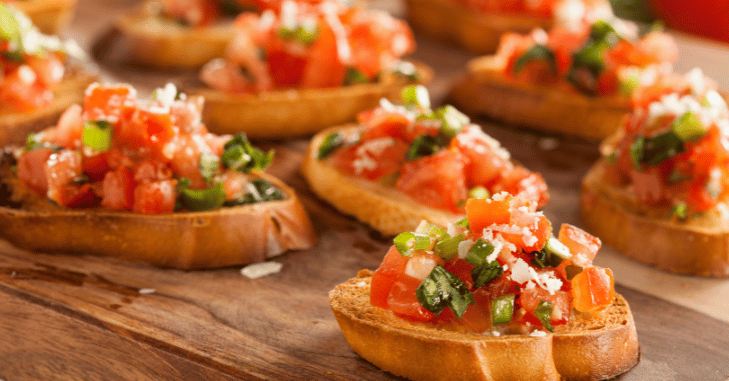
In Italy, Christmas Eve, or La Vigilia, is a solemn yet celebratory meal, traditionally focused on seafood rather than meat. This custom stems from the Catholic practice of abstaining from meat before Christmas Day.
The Feast of the Seven Fishes
This tradition, robust in Southern Italy, involves serving seven different fish dishes, representing spiritual significance and celebration. Typical dishes include:
- Baccalà (Salted Cod): Fried, stewed, or baked in tomato sauce.
- Frittura di Mare (Mixed Fried Seafood): Squid, shrimp, anchovies, and other small fish lightly fried.
- Spaghetti alle Vongole (Clam Pasta): A garlic, white wine, and olive oil-based dish.
- Grilled Fish: Branzino or orata with herbs, lemon, and olive oil.
Christmas Day: Hearty Main Courses
On Christmas Day, Italians shift from fish to hearty, meat-based meals. The menus reflect local traditions, seasonal ingredients, and family heritage.
Northern Italy
One of the highlights of Italian festive cuisine is the variety of traditional dishes that carry both flavor and symbolism. Cotechino con Lenticchie is a classic New Year’s dish, featuring a rich pork sausage served with lentils, which are believed to bring luck and prosperity for the year ahead. In some regions, more elaborate main courses like Capriolo al Vino, or venison slow-cooked in a robust red wine, showcase the country’s love for hearty, seasonal meats.
Central Italy
Italian Christmas cuisine also features a range of savory and comforting dishes that vary by region. Tortellini in Brodo is a beloved classic, consisting of hand-stuffed pasta served in a rich, savory broth, often enjoyed as a festive starter. Agnello Arrosto, or roast lamb, is another traditional dish, typically seasoned with rosemary, garlic, and olive oil, resulting in a tender and aromatic centerpiece for the holiday table.
Southern Italy
Lasagna alla Napoletana is a festive favorite in Southern Italy, with layers of pasta, creamy ricotta, savory meat sauce, and melted mozzarella creating a rich, comforting dish. Stuffed vegetables, such as peppers, zucchini, and eggplant, are filled with a mixture of rice, aromatic herbs, and occasionally meat, offering both color and flavor to the holiday spread.
Italian Christmas Sweets: Dolci Traditions
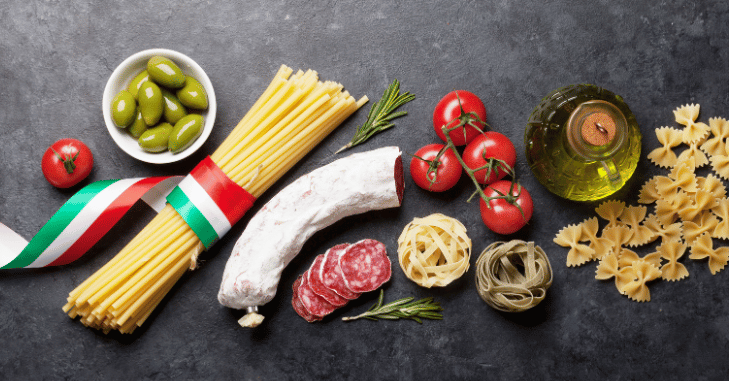
Desserts are the highlight of Italian Christmas cuisine. They vary by region and often involve nuts, candied fruit, honey, and chocolate.
Panettone
- Origin: Milan
- Description: Dome-shaped sweet bread with raisins and candied orange peel.
- Serving Tip: Traditionally sliced thinly and served with sweet wine or hot chocolate.
Pandoro
- Origin: Verona
- Description: Star-shaped, golden, fluffy cake dusted with powdered sugar.
- Cultural Note: “Pandoro” literally means “golden bread,” symbolizing prosperity.
Torrone
- Description: Nougat is made from honey, sugar, egg whites, and toasted nuts.
- Regional Variations: Soft (chewy) or hard (crunchy), commonly enjoyed in Lombardy, Sicily, and Piedmont.
Struffoli
- Origin: Naples
- Description: Deep-fried dough balls coated in honey and decorated with sprinkles.
- Cultural Significance: Traditionally prepared by families in the weeks leading up to Christmas.
Regional Specialty Sweets
- Cartellate (Puglia): Crisp pastry shaped like roses, drizzled with honey.
- Panforte (Siena): Dense fruit-and-nut cake spiced with cinnamon, cloves, and nutmeg.
- Mostaccioli (Campania/Calabria): Spiced cookies often coated in chocolate or sugar glaze.
Italian Christmas Beverages
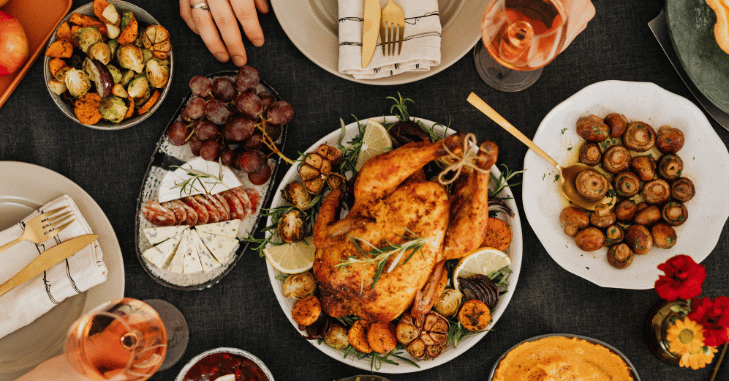
Italian Christmas drinks perfectly complement the festive meals and desserts, adding warmth, cheer, and a touch of tradition to the holiday celebrations. One of the most popular beverages is Vin Brulè, or mulled wine, made by gently simmering red wine with aromatic spices such as cinnamon and cloves, along with a hint of orange zest, creating a fragrant and comforting drink that embodies the spirit of the season.
For sparkling celebrations and toasts, Italians often serve Spumante or Prosecco, offering a light, bubbly contrast to the rich flavors of the holiday feast. Cioccolata Calda, a thick and velvety hot chocolate, is another seasonal favorite, often enjoyed with a dollop of whipped cream to enhance its indulgence and festive appeal.
After the main meal, digestifs like Limoncello or Amaro are commonly savored in Southern Italy, providing a refreshing, slightly bitter finish that aids digestion and rounds out the traditional Christmas dining experience.
Regional Variations: Italy’s Culinary Diversity
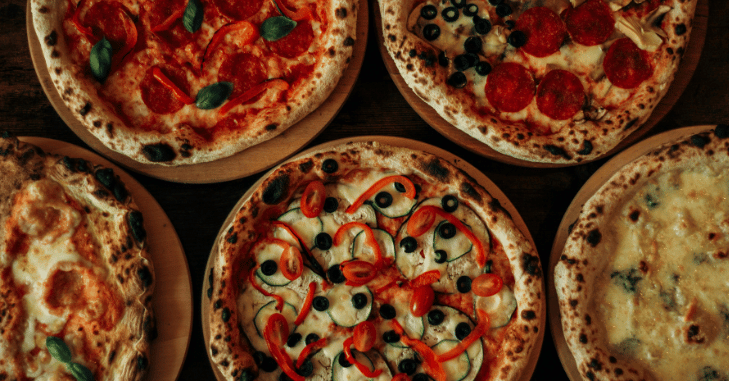
Italy’s geography and culture influence Christmas menus significantly.
Northern Italy
- Butter, cheese, and rice-based dishes dominate.
- Sweet treats often involve almonds, chocolate, and marzipan.
Central Italy
- Olive oil is commonly used, and meat dishes like lamb and pork are preferred.
- Pasta-based dishes, including tortellini, ravioli, and lasagna, are central.
Southern Italy
- Seafood, honey, citrus, and spices dominate.
- Desserts are often honey-soaked or nut-filled, reflecting Arab influences.
The Role of Family in Italian Christmas Cooking
In Italy, Christmas meals are more than just food; they are a symbol of family unity, tradition, and shared heritage. Many recipes are passed down through generations, with grandparents, parents, and children gathering in the kitchen to prepare dishes like struffoli, panettone, and handmade pasta.
This cooking process often becomes a cherished holiday ritual, strengthening family bonds and preserving regional customs. For many Italians, the joy of Christmas lies not only in eating but also in the togetherness and memories created around the table.
Modern Italian Christmas Celebrations
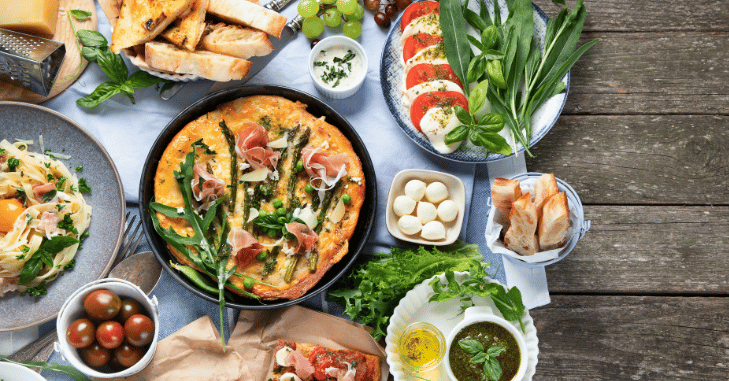
While traditional Italian dishes remain at the heart of Christmas celebrations, many families today embrace a blend of old and new culinary practices. It’s common to see international recipes, such as roast turkey, making an appearance alongside classic Italian fare, reflecting a fusion of cultural influences.
Convenience foods are increasingly incorporated to simplify preparation, yet cherished traditional sweets like panettone and pandoro are carefully preserved, maintaining the festive spirit. Additionally, families often host multiple gatherings during the holiday season, serving smaller, regionally inspired dishes at each event, allowing everyone to enjoy a variety of flavors and culinary traditions while honoring their heritage.
Tips for Hosting an Italian Christmas Feast
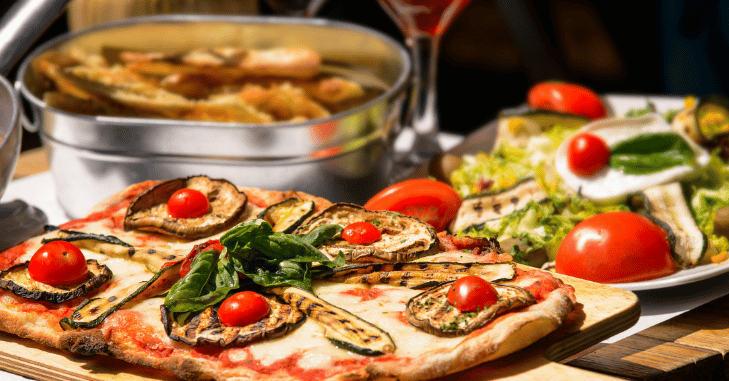
- Plan Multiple Courses: Antipasti, pasta, main course, and desserts.
- Include Regional Specials: Offer a dish from Northern, Central, and Southern Italy.
- Pair with Wine: White wines for seafood, reds for meat, and dessert wines for sweets.
- Involve the Family: Making sweets like struffoli or panettone is a festive activity.
- Decorate with Tradition: Use citrus, pine, or herbs for a seasonal table display.
Conclusion
In conclusion, Italian Christmas food is a true celebration of the country’s rich culinary heritage, regional diversity, and festive spirit. From the savory starters of antipasti and cured meats to the comforting primi like tortellini in brodo and lasagna alla Napoletana, each course reflects family traditions and local ingredients.
Hearty secondi, including roast lamb, porchetta, cotechino con lenticchie, and seafood feasts, are complemented by vibrant sides such as stuffed vegetables, while desserts like panettone, pandoro, struffoli, and torrone bring sweetness and joy to the holiday table. Italian Christmas beverages, from warming Vin Brulè to sparkling Prosecco and rich Cioccolata Calda, add further cheer and tradition.
Want to know about Chicken Protein Per 100g Explained: Everything You Need to Know About Its Benefits, Nutrition, and Daily Intake Check out our Health category.
FAQs
Traditional Christmas dishes in Northern Italy include lasagna bolognese and loaded pasta dishes like ravioli and manicotti. The meat, the primary attraction, comes next.
Christmas Day is set aside for big celebratory meals and family get-togethers. Although the cuisine varies by area, it frequently features pasta dishes, rich desserts, and roasted meats.
Fish and other seafood dishes are served at the Italian American Christmas Eve tradition known as the Feast of the Seven Fishes (Festa dei sette pesci).
The traditional American Christmas lunch consists of roast turkey, stuffing, mashed potatoes, cranberry sauce, green bean casserole, dinner rolls, and pumpkin or pecan pie.
In Italy, it is customary to abstain from meat on Christmas Eve. On that day, a lot of Southern Italians have a full fish feast that consists of seven different kinds of fish.
A classic Italian Christmas treat, panettone is served on festive tables throughout Italy and beyond.

