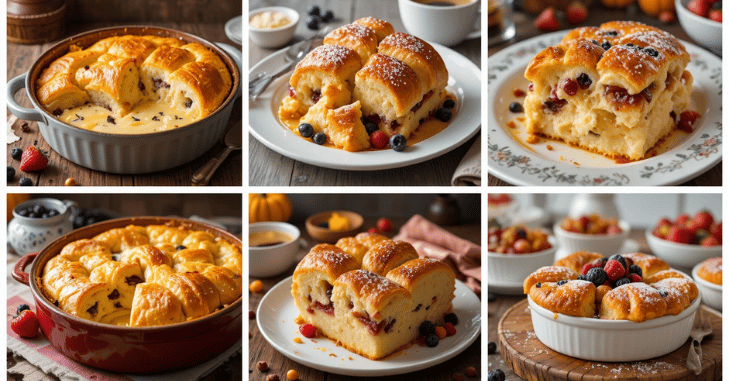
Bread and butter pudding is a quintessential British dessert, cherished for its comforting warmth, creamy texture, and versatility. This classic dish transforms everyday bread into a decadent, custardy treat with golden, caramelized edges and a soft, indulgent center.
Over the years, it has evolved beyond traditional white bread, welcoming variations made with croissants, brioche, or panettone, as well as recipes from iconic chefs like Mary Berry and Jamie Oliver.
Whether you prefer a no-cream version, a jam-filled pudding, or a luxurious brioche-based dessert, this ultimate guide will walk you through everything you need to know to create the perfect bread and butter pudding, from essential ingredients and baking techniques to tips, tricks, and creative variations.
Comparison of Bread and Butter Pudding Variations, Ingredients, and Tips
| Variation | Bread Type | Key Ingredients | Special Tips | Ideal Occasion |
| Classic Mary Berry | White or wholemeal | Buttered bread, eggs, milk, sugar, vanilla, and optional dried fruit | Butter bread generously, cut into uniform slices, layer with fruit/jam, bake at 160–180°C | Everyday dessert, traditional British meal |
| No-Cream Pudding | Brioche or white bread | Milk-only custard, eggs, buttered bread, sugar, vanilla | Use egg-rich custard, let the bread soak, and achieve a silky texture | Lighter dessert option |
| Croissant Pudding | Croissants | Croissants, eggs, milk, sugar, optional chocolate or fruit | Tear croissants into chunks, layer with chocolate/jam, and allow custard to soak | Weekend brunch, festive gatherings |
| Brioche Pudding | Brioche | Brioche, butter, eggs, milk, sugar, dried fruits, or jam | Slice thickly, butter each slice, and layer with fruit or jam | Dinner parties, luxurious dessert |
| Panettone Pudding | Panettone | Panettone, eggs, milk, sugar, custard sauce, or icing sugar | Cube panettone, soak well, top with custard or icing sugar | Christmas, special celebrations |
| Jam-Filled Pudding | White, brioche, or croissants | Bread, butter, eggs, milk, sugar, jam | Spread a thin layer of jam between slices, and combine with custard | Fruity and creamy dessert |
| Creative Variations | Any | Chocolate chips, Nutella, cheese & herbs, espresso, tropical fruits | Experiment with flavors, spices, or sweet/savory twists | Customized desserts for different occasions |
A Brief History of Bread and Butter Pudding
Bread and butter pudding originated in England as a way to use stale bread, transforming what might otherwise be wasted into a sweet, satisfying dessert. The earliest recipes date back to the 18th century, combining bread, butter, eggs, milk, sugar, and sometimes dried fruit. Over time, the pudding became more sophisticated, with chefs introducing custard, spices, and exotic flavors. Today, it remains a versatile dessert, adaptable to sweet or savory variations, and perfect for breakfast, brunch, or dessert.
Why Choose Different Types of Bread?
The type of bread you choose greatly influences the texture, flavor, and richness of the pudding. While traditional recipes use simple white bread, alternatives like croissants, brioche, and panettone elevate the dish.
- White or Wholemeal Bread: Affordable and widely available, ideal for a classic, custardy pudding.
- Croissants: Offer a buttery, flaky texture that creates layers of indulgence.
- Brioche: Rich, slightly sweet, and soft, resulting in a luxurious pudding.
- Panettone: Italian fruit bread, perfect for festive or special occasions, adds fruit and subtle sweetness.
Using these breads allows you to adjust richness, sweetness, and texture, giving every pudding a distinct personality.
Essential Ingredients for Bread and Butter Pudding
Basic Ingredients
- Bread: White, wholemeal, croissants, brioche, or panettone
- Butter: To spread on the bread slices
- Eggs: Provide structure and custardy texture
- Milk: Can be whole milk or a combination with cream (or alternatives for no-cream recipes)
- Sugar: White or brown sugar for sweetness
- Vanilla Extract: For aroma and flavor
- Spices (optional): Cinnamon, nutmeg, or mixed spice
Optional Ingredients
- Dried Fruits: Raisins, sultanas, or cranberries
- Fresh Fruit: Apples, pears, or berries
- Jam: Spread between bread layers for added sweetness
- Chocolate or Nuts: For a more decadent dessert
Classic Mary Berry Bread and Butter Pudding Tips
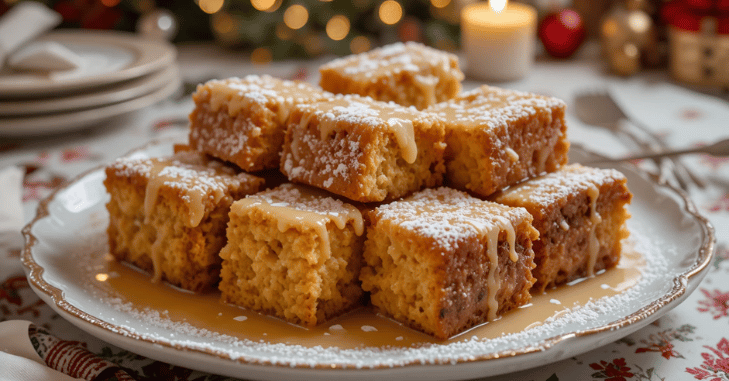
Mary Berry, the renowned British baker, emphasizes simplicity and technique for making the perfect bread and butter pudding. She recommends buttering the bread generously to ensure a soft, moist texture and cutting it into uniform slices to help the custard soak evenly.
Layering is essential, alternating bread with fruit or jam to add depth of flavor. The custard should be poured slowly over the bread to allow proper soaking, and the pudding should be baked at a moderate temperature, around 160–180°C (325–350°F), to avoid overcooking while achieving a golden top.
Bread and Butter Pudding Without Cream
While traditional bread-and-butter pudding recipes often use cream, it is entirely possible to make a delicious version without it. Using a milk-only custard, such as whole milk, evaporated milk, or a milk alternative like almond or oat milk, provides a creamy base.
An egg-rich mixture helps compensate for the absence of cream, creating a silky custard texture, while generously buttering the bread enhances richness and flavor.
Sample No-Cream Recipe
Ingredients
- 6 slices of brioche or white bread
- 50g butter
- 3 eggs
- 400ml milk
- 75g sugar
- 1 tsp vanilla extract
- Optional: raisins or dried fruit
Instructions
- Preheat the oven to 180°C (350°F).
- Butter the bread and layer in a greased baking dish, adding fruit if desired.
- Whisk together eggs, milk, sugar, and vanilla.
- Pour custard over bread and let it soak for 15 minutes.
- Bake for 35–40 minutes until the custard is set and the top is golden.
This creates a satisfying, lighter pudding without sacrificing flavor.
Croissant-Based Bread and Butter Pudding
Using croissants in bread and butter pudding adds flaky layers and a rich, buttery flavor. Instead of slicing, tear the croissants into chunks and layer them with chocolate chips, jam, or fruit.
Pour custard over the layers, allowing them to absorb the liquid for a melt-in-your-mouth texture. Croissant-based puddings are indulgent and ideal for weekend brunches or festive occasions.
Brioche Pudding Recipes
Brioche, with its tender, slightly sweet crumb, elevates the pudding:
- Slice the brioche thickly, about 2cm per slice.
- Spread butter on each slice for extra moisture.
- Incorporate dried fruits or a thin layer of jam between slices.
Brioche puddings often taste richer than white bread versions and can double as a luxurious dessert for dinner parties.
Panettone Bread and Butter Pudding
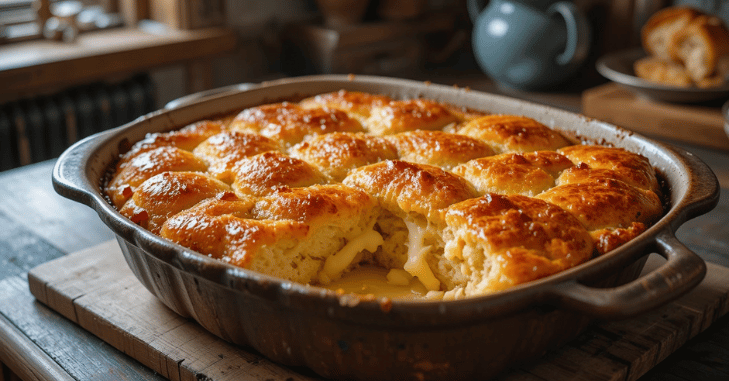
Panettone, a traditional Italian sweet bread, is perfect for festive occasions. To make panettone bread and butter pudding, slice the bread into cubes or triangles and pour custard over it, allowing the fruit-studded bread to soak up the flavors.
For a beautiful presentation, top the pudding with icing sugar or drizzle with custard sauce. This version is naturally sweet, fruity, and aromatic, making it an ideal dessert for Christmas or special gatherings.
Jam-Filled Bread and Butter Pudding
Adding jam is a simple way to enhance flavor:
- Spread a thin layer of raspberry, strawberry, or apricot jam between bread slices.
- Combine with custard for a fruity, creamy dessert.
- This method works with both white bread and enriched breads, such as brioche.
Jam adds sweetness and a tangy note that contrasts beautifully with custard.
Tips for Perfect Custard Soak
To achieve the perfect custard soak, it is essential to pay attention to temperature, coverage, and resting time. Warm the milk slightly before adding it to the eggs to prevent curdling. Pour the custard slowly over the bread, ensuring every layer is evenly soaked.
Allow the pudding to rest for 10–15 minutes before baking so the custard can fully absorb. Proper soaking results in a soft, custardy center while maintaining a golden, slightly crisp top.
Baking Techniques
- Moderate oven: Avoid too high heat; the custard should set without burning the top.
- Water bath (optional): Placing the baking dish in a tray with water helps prevent the custard from curdling.
- Check doneness: Custard should jiggle slightly when baked; it will continue to set as it cools.
Serving Suggestions
For serving, dust the bread and butter pudding with icing sugar to add a touch of sweetness and visual appeal. It can be enjoyed warm, accompanied by custard sauce, cream, or vanilla ice cream for a rich, indulgent experience.
For extra elegance, garnish with fresh berries or a drizzle of fruit compote. The pudding can also be served cold, making it a convenient option for make-ahead desserts.
Common Mistakes and How to Avoid Them
- Soggy or dry pudding: Ensure the bread is buttered, and the custard is evenly soaked.
- Curdled custard: Gradually whisk warm milk into the eggs, then bake at a moderate temperature.
- Overbrowned top: Cover with foil if the top browns too quickly.
- Under-seasoned dessert: Add vanilla, cinnamon, or nutmeg to enhance flavor depth.
Variations and Creative Ideas
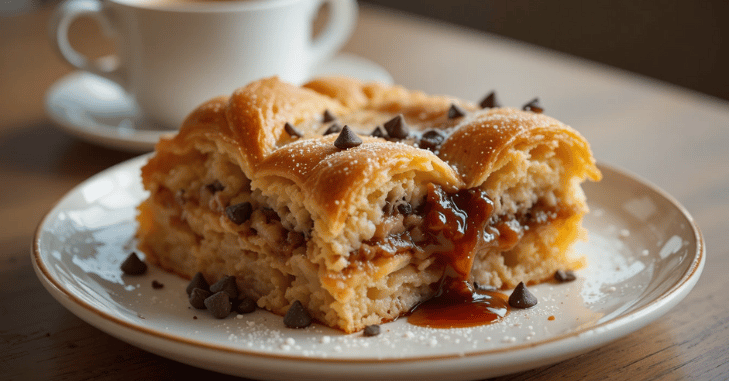
There are countless variations and creative ideas to elevate bread-and-butter pudding. For a sweet twist, add chocolate chips or Nutella between layers to create a chocolate-hazelnut version. For a savory option, replace sugar with cheese and herbs for a unique flavor profile.
Coffee lovers can infuse the custard with espresso for a sophisticated taste, while a tropical version can be made using coconut milk and adding pineapple or mango chunks. The possibilities are endless, making bread and butter pudding a truly versatile canvas for creativity.
Why Bread and Butter Pudding Remains Popular
- Uses leftover bread: Minimizes waste and maximizes flavor.
- Comfort food appeal: Warm, creamy, and nostalgic.
- Customizable: Works with a variety of breads, fillings, and toppings.
- Accessible ingredients: Requires items most people already have in their kitchens.
Even as modern desserts evolve, bread and butter pudding remains a timeless favorite for home bakers.
Nutritional Value and Enjoying in Moderation
Bread and butter pudding is a rich and satisfying dessert, typically containing carbohydrates from bread, protein from eggs, and calcium from milk, making it more substantial than many other sweet treats. Depending on the ingredients used, such as brioche, croissant, or panettone, the calorie content can vary significantly.
While traditional recipes are indulgent due to butter, sugar, and custard, lighter versions that use low-fat milk or reduced sugar can make them more balanced. Enjoying bread and butter pudding in moderation allows you to appreciate its comforting flavors while maintaining a mindful approach to dessert.
Conclusion
In conclusion, bread and butter pudding is a timeless dessert that combines simplicity, comfort, and versatility. From classic Mary Berry recipes to creative variations using croissants, brioche, or panettone, this dish can be adapted to suit any occasion or taste preference.
Whether you choose a no-cream version, a jam-filled pudding, or an indulgent, chocolate-studded creation, mastering custard soaking, layering, and baking techniques ensures a golden, creamy, and flavorful result.
With its accessible ingredients and endless possibilities, bread and butter pudding proves that even humble leftovers can be transformed into a truly extraordinary dessert.
Want to know about Mary Berry Banana Bread Recipe: A Guide to the BBC Classic with 2 Bananas, Calories, Muffins, and Tray Bake Ideas Check out our Food category.
FAQs
To make a simple bread and butter pudding, butter bread slices and layer them in a greased baking dish. Whisk together eggs, milk, sugar, and a splash of vanilla, then pour the custard over the bread and let it soak for 10–15 minutes.
In an oven dish, buttered bread slices are layered with raisins and coated with an egg custard mixture seasoned with cinnamon, vanilla, nutmeg, or other spices.
The main distinctions are that British versions usually don’t cover the dish in a sweet sauce when serving, butter the bread before it’s soaked in the custard, and use raisins or sultanas.
This straightforward bread and butter pudding dish was Princess Diana’s favorite.