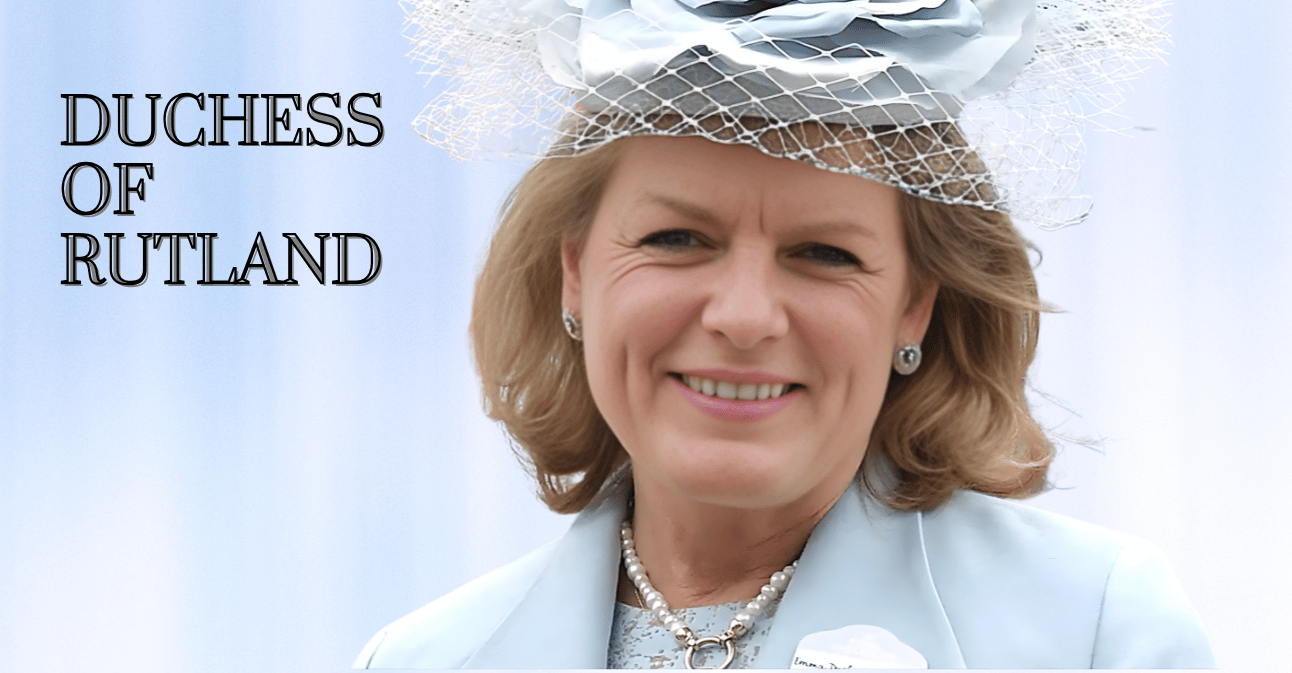
The title “Duchess of Rutland” carries centuries of history, prestige, and cultural significance within British aristocracy, making it one of the most recognised noble titles in the United Kingdom.
Today, the Duchess of Rutland, most closely associated with Emma Manners, represents a rare blend of heritage and modern life, where tradition meets contemporary responsibility. From overseeing the management of one of England’s most iconic estates, Belvoir Castle, to adapting to the expectations of a changing world, the Duchess of Rutland stands at a unique intersection of history and progress, preserving aristocratic legacy while actively shaping its future relevance.
This guide explores the Duchess of Rutland’s royal heritage, her modern lifestyle, the rich story of Belvoir Castle, and the enduring influence of aristocratic legacy and family traditions.
| Aspect | Overview |
| Title | Duchess of Rutland |
| Historical Significance | Centuries of history, prestige, and cultural importance in the British aristocracy |
| Modern Association | Most closely associated with Emma Manners |
| Core Role | Blending heritage with modern responsibilities |
| Key Estate | Belvoir Castle, one of England’s most iconic estates |
| Main Responsibilities | Managing estate operations and preserving heritage |
| Modern Challenge | Adapting to changing social and cultural expectations |
| Overall Significance | Represents the balance between aristocratic legacy and modern progress |
What is the Duchess of Rutland?
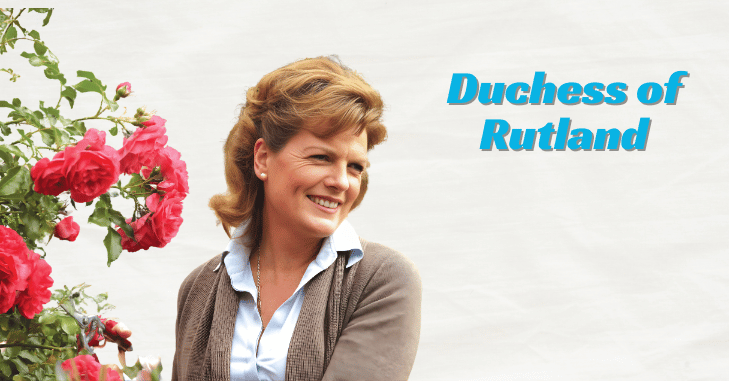
The Duchess of Rutland is a British aristocratic title given to the wife of the Duke of Rutland, a position that carries centuries of noble history, tradition, and cultural significance within the United Kingdom. Today, it is most closely associated with Emma Manners, who has redefined the role by combining traditional responsibilities with a modern, business-minded approach.
The Duchess of Rutland plays an active role in managing Belvoir Castle, the historic family estate, helping to preserve its heritage while also transforming it into a sustainable cultural and commercial venue. Beyond estate management, she is involved in promoting tourism, hosting events, engaging with media, and supporting heritage conservation.
Royal Heritage and Aristocratic Roots
The Origins of the Rutland Title
- One of the oldest noble titles in England, dating back to the 16th century
- Deeply connected to British political, social, and cultural history
- Played a significant role in shaping aristocratic life in the United Kingdom over generations
The title symbolizes
- Long-standing noble lineage
- Influence within British high society
- Stewardship of historic estates and lands
- Continuity of tradition across centuries
The Manners Family Legacy
- The Rutland title is held by the Manners family with centuries-old ancestry
- Strong ties to land ownership, governance, and cultural patronage
Key aspects of the family legacy include
- Preservation of historic architecture
- Contribution to British cultural heritage
- Participation in political and social affairs
- Maintenance of aristocratic customs and traditions
The Story of Belvoir Castle
A Historic Architectural Masterpiece
Belvoir Castle, pronounced “Beaver Castle,” is one of England’s most remarkable country houses. Located in Leicestershire, it has served as the ancestral home of the Dukes of Rutland for centuries.
The castle is especially known for its Gothic Revival architecture, its dramatic hilltop setting, its richly decorated interiors with historic rooms, and its vast landscaped gardens.
A History of Resilience and Rebuilding
The castle has a long history of destruction and renewal, having been rebuilt several times due to fires and structural changes. The present structure mainly dates to the early 19th century and reflects a romantic interpretation of medieval design.
Originally established in Norman times, it was later rebuilt after major fires and redesigned in the Gothic style during the 1800s. Today, it is carefully preserved as an important heritage site.
A Living, Breathing Estate
Unlike many historic castles that function only as museums, Belvoir Castle remains an active family home. It continues to be owned and lived by the Rutland family while also operating as a business and cultural venue. The estate now serves multiple roles, including a private residence, a tourist attraction, an event and wedding venue, and a location for film and television productions.
Modern Life of the Duchess of Rutland

Balancing Tradition with Modernity
The modern Duchess of Rutland is not just a symbolic figure; she is actively involved in managing the estate and adapting it to contemporary needs.
- Overseeing estate operations
- Managing staff and business ventures
- Promoting tourism and events
- Engaging with media and public audiences
A Business-Minded Approach
Running a historic estate in the modern world requires innovation. The Duchess has transformed parts of the estate into profitable ventures.
These initiatives include:
- Hosting luxury weddings and events
- Opening the castle to visitors
- Creating retail and hospitality experiences
- Developing brand collaborations
The Duchess of Rutland has also embraced the growing importance of heritage tourism as a way to preserve aristocratic estates in the modern era. By transforming parts of Belvoir Castle into immersive visitor experiences, she has helped bridge the gap between historical preservation and commercial sustainability.
Seasonal events, curated exhibitions, and luxury hospitality offerings not only generate vital revenue for the estate but also allow the public to engage directly with centuries of British history. This strategy reflects a wider trend among historic estates adapting to survive in the twenty-first century while maintaining their cultural identity.
Media Presence and Public Engagement
Unlike traditional aristocrats who maintained privacy, the Duchess of Rutland embraces public visibility. She has appeared in documentaries and media features, offering insight into life within a historic estate.
- Increase public interest in heritage sites
- Promote tourism
- Humanize aristocratic life
- Connect tradition with a wider audience
British High Society and Social Influence
British high society in modern Britain continues to carry cultural and social significance, even as the role of aristocracy has evolved over time. Figures such as the Duchess of Rutland play an important part in preserving long-standing traditions while also shaping contemporary perceptions of the aristocratic lifestyle.
Within this context, the Duchess represents a blend of elegance and tradition, embodying a lifestyle associated with refinement and heritage. Through hosting formal gatherings and maintaining historic customs, she reflects the enduring appeal and continued relevance of aristocratic culture in modern society.
Aristocratic Legacy in the Modern Age
Preserving History for Future Generations
- One of the Duchess’s key responsibilities is ensuring the family’s legacy continues.
- Managing a historic estate requires significant effort, funding, and long-term dedication.
Preservation Efforts Include
- Restoration of historic rooms and valuable artifacts
- Conservation and protection of art collections
- Ongoing maintenance of gardens and surrounding grounds
- Continuous investment in structural repairs and upkeep
The Cost of Heritage
- Maintaining a castle is highly expensive.
- Major costs include heating, repairs, staffing, and conservation work.
Modern Strategies for Sustainability
- Commercial use of parts of the estate to generate income
- Hosting public events, weddings, and guided tours
- Collaborations with brands, media, and production companies
- Diversifying income streams to support long-term maintenance
Redefining Aristocracy
- Modern aristocracy is no longer defined only by titles.
- It now emphasizes responsibility, adaptability, and public relevance.
- The Duchess of Rutland reflects a more active and entrepreneurial approach to heritage management.
Family Traditions and Daily Life
Life inside Belvoir Castle combines the grandeur of a historic estate with everyday responsibilities. Alongside its remarkable surroundings, daily routines still need to be managed, creating a balance between heritage and practicality.
Life Inside a Historic Estate
Family life within the castle includes managing household routines, raising children in a historic environment, and balancing privacy with public attention. It also involves maintaining long-standing traditions while gradually adapting to modern expectations.
Passing Down Traditions
Family traditions play an essential role in aristocratic life, helping to connect generations and preserve a shared sense of identity. These customs often include seasonal celebrations, formal dining practices, estate management routines, and storytelling that preserves historical knowledge and education.
A Blend of Old and New
The Duchess of Rutland reflects how tradition and modern life can exist together. While respecting and preserving the past, she also embraces contemporary values and approaches, ensuring the estate remains relevant in today’s world.
Cultural and Tourism Impact

A Major Tourist Attraction
Belvoir Castle attracts visitors from around the world. Its historical significance, architecture, and scenic beauty make it a popular destination.
- Economic contribution to the local area
- Increased awareness of British heritage
- Educational opportunities for visitors
- Preservation funding through ticket sales
Film and Media Location
The castle has also gained recognition as a filming location, adding to its cultural relevance.
- Enhances global visibility
- Attracts new audiences
- Strengthens the estate’s brand
- Connects history with modern entertainment
Challenges of Modern Aristocratic Life
Financial Pressures
Maintaining a historic estate comes with financial challenges. Rising costs and changing economic conditions require constant adaptation.
Public Scrutiny
As a public figure, the Duchess faces media attention and societal expectations. Balancing privacy with public interest can be difficult.
Preserving Relevance
In a rapidly changing world, aristocratic institutions must remain relevant. This requires innovation, openness, and a willingness to evolve.
Conclusion
The story of the Duchess of Rutland reflects a unique balance between centuries-old aristocratic heritage and the demands of modern life. From the historic grandeur of Belvoir Castle to the practical realities of managing a large estate, she embodies how tradition can be preserved while still adapting to contemporary expectations.
Her role highlights the ongoing relevance of British aristocracy in today’s world, where cultural preservation, business innovation, and public engagement all intersect. Ultimately, the Duchess of Rutland stands as a symbol of how legacy and modernity can coexist, ensuring that history remains alive, meaningful, and accessible for future generations.
Want to know about Pilates Accessories: Essential Tools to Elevate Strength, Flexibility, and Balance in Your Practice Check out our Lifestyle category.
FAQs
She is the top executive of the family estate, Belvoir Castle, and the estranged wife of David Manners, 11th Duke of Rutland.
She is the top executive of the family estate, Belvoir Castle, and the estranged wife of David Manners, 11th Duke of Rutland.
Rutland, 48, is the owner of Haddon Hall in Derbyshire and Belvoir Castle, which has 18,000 acres in Leicestershire.