DDR4 Ram 16GB has become a trusted choice for users who need smooth performance and efficient multitasking. DDR4 RAM delivers high speeds with frequencies from 2133 MHz to 3200 MHz and a low 1.2V power design.
Its bandwidth reaching 20–25.6 GB/s supports gaming, editing, and daily tasks with ease. With CL16–CL18 timing and support for 288-pin DIMMs or 260-pin SO-DIMMs, it remains widely compatible. Today, DDR4 RAM 16GB remains known for reliability, while the legacy of DDR4 technology continues to shape modern computing.
| Basics | Details |
| Memory Type | DDR4, high-speed, low-power design |
| Speed Range | 2133–3200 MHz standard frequencies |
| Voltage | Efficient 1.2V operation |
| Capacity | 16GB for smooth multitasking |
| Common Speeds | 2666 / 3000 / 3200 MHz options |
| Bandwidth | Above 20 GB/s throughput |
| Dual-Channel Max | Up to 25.6 GB/s |
| CAS Latency | Typical CL16–CL18 timings |
| Gaming Use | Supports high-detail and open-world games |
| AAA Game Match | Meets modern 16GB requirements |
| Desktop Slot | 288-pin DIMM connector |
| Laptop Slot | 260-pin SO-DIMM format |
| Compatibility | Works only on DDR4-ready boards |
| Optimal Setup | Best used in dual-channel pairs |
| Creative Tasks | Ideal for 4K editing and rendering |
| Thermal Efficiency | Low voltage keeps systems cooler. |
What Is DDR4 Memory Technology?
DDR4 memory is the fourth generation of Double Data Rate RAM, featuring higher speeds and lower power consumption than DDR3. It usually runs between 2133 MHz and 3200 MHz, though some high-end modules reach further. With a 1.2V operating voltage, it provides strong performance while keeping energy demands low, making it a dependable choice for modern computing tasks.
Why Choose DDR4 Ram 16GB?

DDR4 Ram 16GB is ideal for users who need fast processing, smooth multitasking, and stable operation. It generally supports speeds up to 2666 MHz, 3000 MHz, and 3200 MHz, depending on system capability. With its 16GB capacity, most computers can run heavy apps, multiple browser tabs, and productivity tools without struggling, making it a well-balanced upgrade for everyday and advanced use.
System Performance
DDR4 memory improves responsiveness by sending data faster, often above 20 GB/s, depending on the configuration. Its lower voltage reduces heat, helping computers remain efficient during long workloads. This technology minimizes lag when switching between applications, loading programs, or running background tasks, giving users a noticeably smoother experience across various types of applications.
Speed Advantages
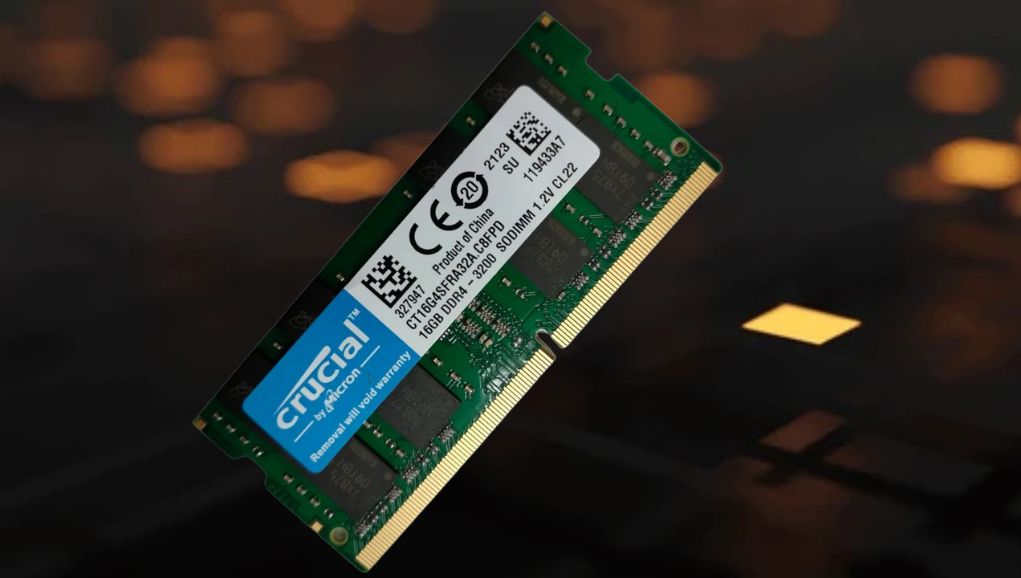
DDR4 RAM 16GB delivers a significant performance boost, as its larger capacity and higher clock speeds reduce slowdowns when running modern programs. Its bandwidth can reach up to 25.6 GB/s in dual-channel setups, which helps with gaming, content creation, and streaming. The module’s stable design supports heavy multitasking, keeping apps responsive and preventing bottlenecks during demanding computing sessions.
Ideal Use for Modern Games
- Many modern games need extensive memory for high textures, open-world loading, and smooth frame pacing.
- DDR4 modules often operate with CAS latencies such as CL16 or CL18, which help maintain consistent data flow.
- In combination with a capable CPU and GPU, DDR4 memory enhances loading times, reduces stutters, and boosts overall playability in titles with large 3D environments and frequent asset loading.
Gaming Benefits
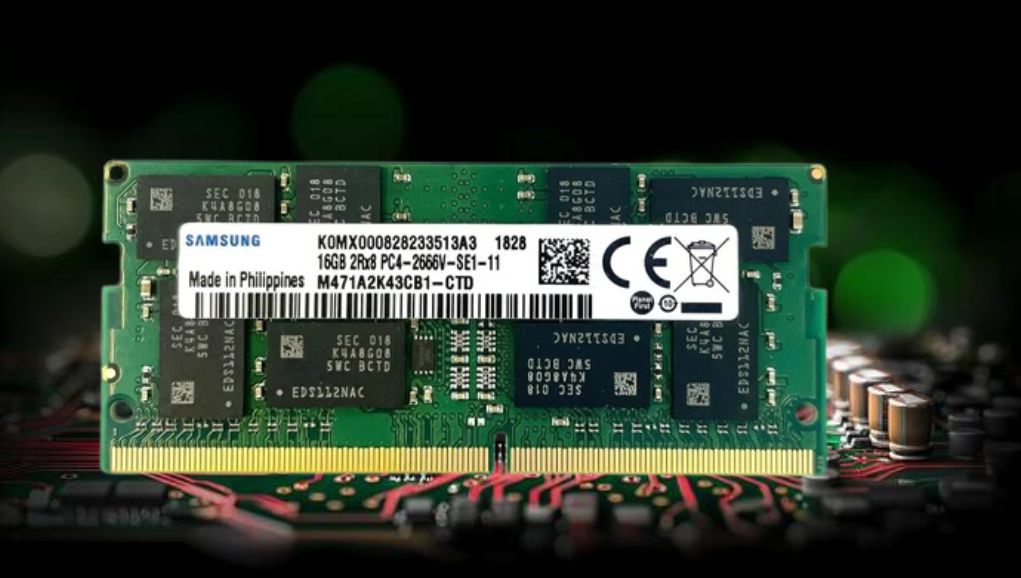
DDR4 RAM 16GB keeps gameplay stable while running multiple tools like voice chat, screen recording, or streaming software. Its 16GB capacity matches the standard requirements of most 2024 AAA games, many of which recommend at least 16GB of system memory. This module helps maintain steady frames and prevents performance dips during fast action or high-detail scenes.
Requirements and Compatibility
Most motherboards built since 2015 support DDR4 memory, typically using the 288-pin DIMM slot on desktops or the 260-pin SO-DIMM slot on laptops. Before installing, users must confirm their board accepts DDR4 frequencies and voltages. Systems with older DDR3 slots cannot use DDR4 due to electrical differences. When matched correctly, installation is quick, and the BIOS recognizes it instantly.
DDR4 RAM, 16GB vs. DDR5: Is It Still Worth It?
When comparing DDR4 RAM 16GB to newer DDR5 memory, the biggest differences are speed, power efficiency, and cost. DDR4 SDRAM remains a practical choice because it offers excellent performance for gaming, multitasking, and professional workloads at a lower price point.
In contrast, DDR5 SDRAM offers higher bandwidth and greater future scalability but requires newer motherboards and often comes at a premium. For users upgrading an existing system or building on a budget, DDR4 16GB still offers strong value, while DDR5 is better suited for those planning a long-term, next-generation setup.
Connectivity and Slot

DDR4 Ram 16GB fits into a single 288-pin DDR4 slot and works best when paired in dual-channel mode for higher bandwidth. Many motherboards support two or four slots, allowing memory to operate more efficiently when placed in matching channels. This setup boosts data throughput, helping applications load faster and improving overall computer responsiveness across diverse workloads.
Benefits for Creative and Professional Tasks
Creative workers who edit videos, produce music, or design graphics benefit from DDR4’s high transfer speeds.
Programs like editing suites often require fast memory management to handle large files. With proper bandwidth and frequency, DDR4 helps minimize buffering, reduces export time, and allows smoother previewing of high-resolution content.
Professional Use Advantages
DDR4 RAM 16GB supports heavy workloads such as 4K editing, CAD modeling, and extensive spreadsheet processing. Many professional applications recommend 16GB or more to avoid freezing or memory-related slowdowns.
In dual-channel operation, this module further enhances performance by expanding data lanes, enabling editors, engineers, and analysts to work more smoothly while handling large files and running multiple advanced tools simultaneously.
Energy Efficiency and System Cooling
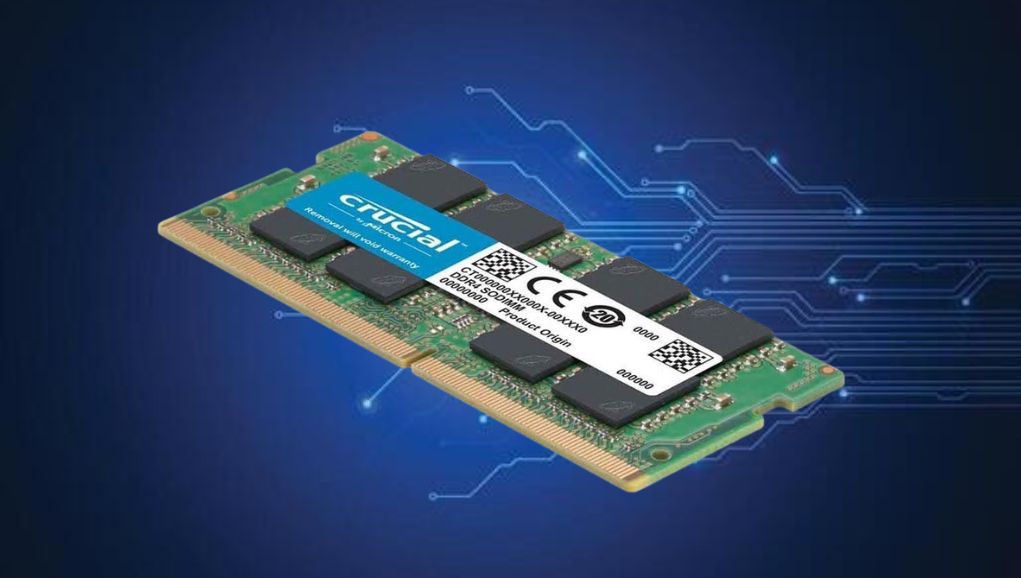
DDR4 memory uses around 1.2 volts, much lower than older DDR3 modules. Lower voltage equals reduced heat output, helping systems stay cooler under heavy loads. This efficiency is functional in laptops, where extended battery life and stable temperatures matter. Cooler operation also increases hardware longevity, making DDR4 a dependable part of a long-term desktop or laptop build.
Conclusion
DDR4 Ram 16GB continues to stand out as a dependable memory choice for everyday users, gamers, and professionals, thanks to its 2133–3200 MHz speeds, 1.2V efficiency, and strong bandwidth performance. Its compatibility with 288-pin DIMM and 260-pin SO-DIMM slots makes upgrades simple and effective. With stable multitasking, smooth gameplay, and reliable creative performance, DDR4 RAM remains a long-lasting and valuable component in modern computing.
Want to know about 1440p Monitor: An Overview of Budget-Friendly 1440p Monitors, Top Picks, And More Information Check out our Tech category.
FAQs
DDR4 improves system speed with higher frequencies, lower 1.2V power consumption, and increased bandwidth, allowing smoother multitasking and better performance than older DDR3 modules.
16GB is suitable for today’s games, offering stable frame rates, fewer slowdowns, and enough headroom for background apps like chat, recording, or streaming tools.
DDR4 is compatible only with motherboards designed with DDR4 slots. Older DDR3 boards cannot support it because their electrical layouts, voltage requirements, and pin alignments differ.