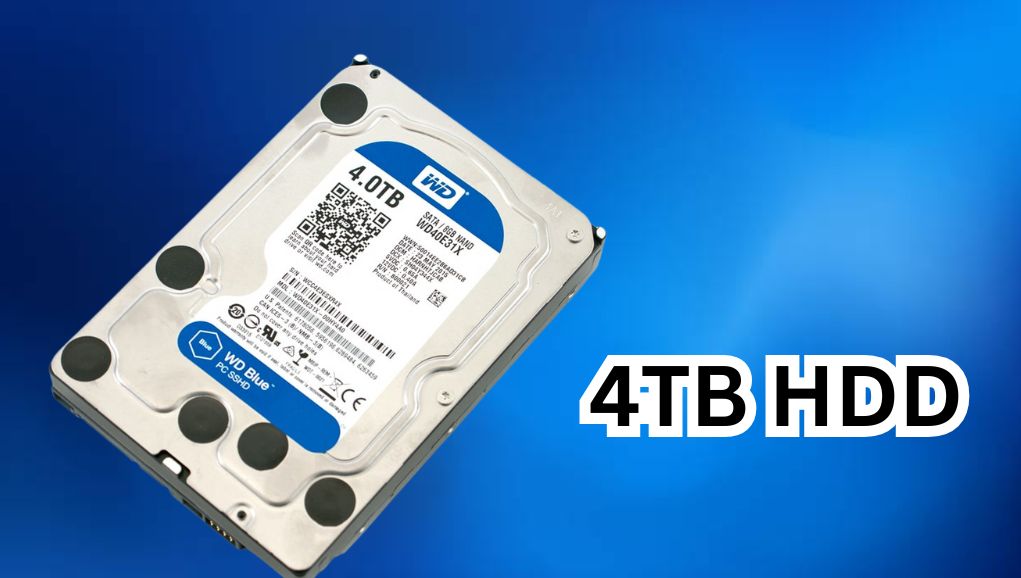
The 4TB HDD is a versatile storage device widely used for desktops, laptops, and external drives. This 4-terabyte hard disk drive offers massive capacity, storing up to 1 million photos, 1000 HD movies, or multiple AAA games. With speeds of 5400–7200 RPM, 64–256 MB of cache, and transfer rates up to 210 MB/s, it delivers smooth performance for professionals and gamers alike.
Compact 2.5-inch and standard 3.5-inch designs, along with SATA III and USB 3.0/3.1/C interfaces, make it highly adaptable. Reliable, cost-effective, and efficient, the 4TB HDD continues to provide long-term storage solutions for media, backups, and large files. If you want to go deeper, read How to Ensure that Senior Living Will Be a Reliable.
| Feature | Description |
| Storage Type | Magnetic HDD with spinning platters |
| Capacity | 4TB for files, media, and backups |
| RPM | 5400–7200 RPM rotational speed |
| Cache | 64–256MB for faster access |
| Transfer Rate | Up to 210 MB/s sequential speed |
| Interface | SATA III internal, USB 3.0/3.1/C external |
| Desktop Drive | 3.5-inch form factor |
| Laptop Drive | 2.5-inch compact size |
| Gaming | Stores AAA games 50–150GB each |
| Professional Use | Video editing, CAD, and large files |
| RAID Support | Dual-channel or RAID compatible |
| Power | 12V/5V desktops, 5V laptops |
| Reliability | S.M.A.R.T., MTBF 1–1.5M hours |
| Media Storage | 1000 HD movies, 10,000 albums |
| Cost | Approx. £25– £40 per TB |
| Portability | External plug-and-play via USB |
What Is a Hard Disk Drive?
A hard disk drive (HDD) is a storage device that uses spinning magnetic platters to save data. It stores files, applications, videos, and backups cost-effectively. Drives typically operate at 5400 or 7200 RPM, with cache sizes ranging from 64MB to 256MB. Mechanical components enable high-capacity storage at affordable prices for desktops, laptops, and external devices.
Benefits
- A 4TB HDD provides massive storage for professionals, gamers, and everyday users.
- Its capacity can hold up to 1 million photos, thousands of movies, or extensive software libraries.
- With SATA III connectivity and a 7200 RPM rotational speed, it delivers stable performance.
- Users can store and organize large files without frequent upgrades or additional storage devices.
How HDDs Store and Retrieve Data?
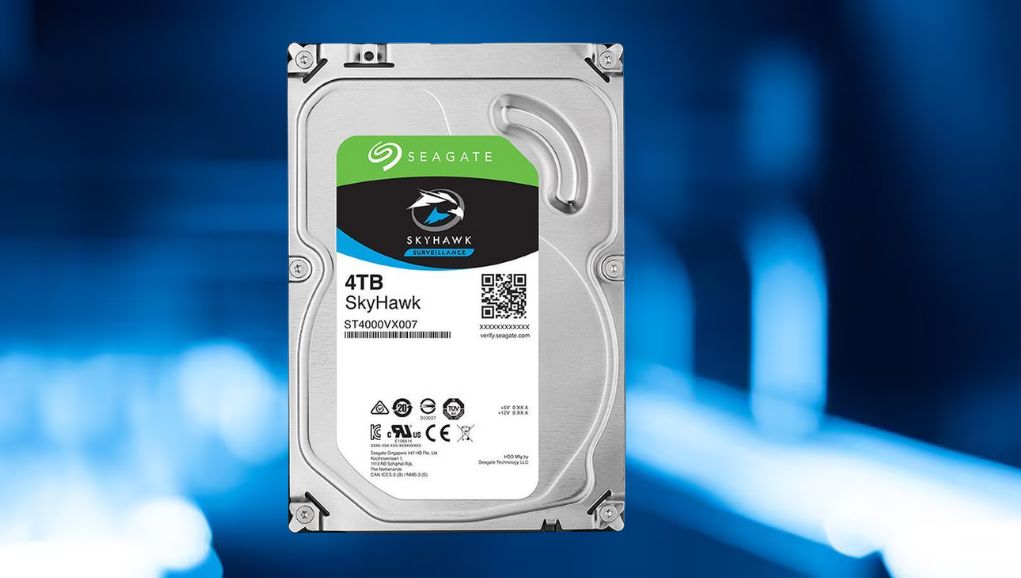
HDDs store information magnetically on spinning platters while read/write heads access data in tracks and sectors. Transfer rates typically range from 150 MB/s to 210 MB/s, depending on RPM and interface. They are ideal for sequential data access, such as video editing or backups. Internal HDDs require power and SATA data connections, while external models use USB 3.0 or USB-C.
Gaming
The 4TB HDD is ideal for gamers who install multiple AAA titles requiring 50GB–150GB per game. It supports saving data, DLCs, and mods. While slower than SSDs for loading screens, it offers affordable, large-scale storage. Many gaming setups pair it with an SSD for OS and critical apps, combining speed with volume efficiently.
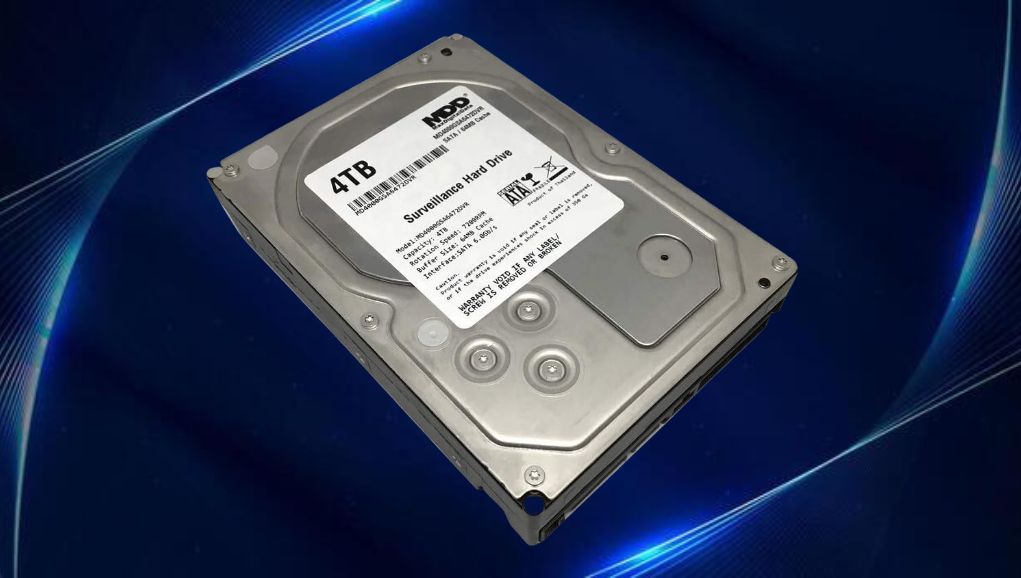
Professional Work with 4TB HDD
A 4TB HDD supports video editing, CAD projects, and large-file data analysis. Professionals can archive raw footage, design files, and software backups. Dual-channel or RAID configurations can further improve throughput. Many HDDs feature a SATA III 6Gb/s interface, enabling plug-and-play installation on Windows, macOS, or Linux systems for reliable professional storage.
Connectivity and Requirement
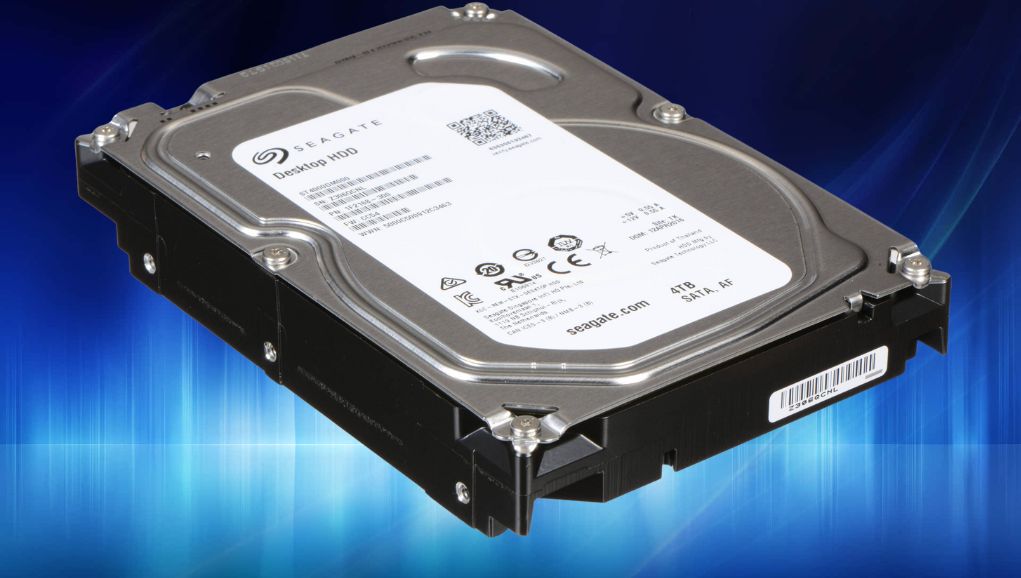
HDDs connect via SATA III 6 Gb/s for internal drives or via USB 3.0/3.1/USB-C for external models. Power requirements vary: internal 3.5-inch drives require 12V/5V, while 2.5-inch laptops often use only 5V. Desktop installations require mounting brackets or drive bays, while operating systems may require partitioning and formatting. Compatibility must be confirmed with BIOS and motherboard specs.
Performance Specifications
- 4TB HDDs typically feature 7200 RPM speed, 256MB cache, and sequential read/write rates of up to 210 MB/s.
- While not as fast as SSDs, they excel in bulk storage and large file transfers.
- Multi-terabyte capacity supports gaming libraries, backups, and multimedia projects.
- External versions rely on USB 3.0 or 3.1 for connectivity, enabling plug-and-play access.
Data Safety and Reliability
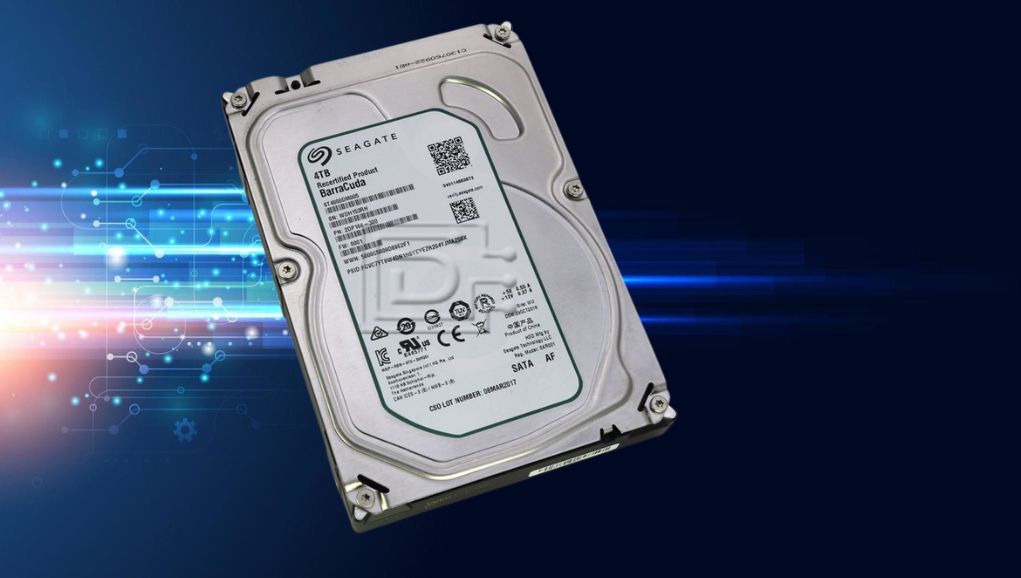
HDDs include S.M.A.R.T. monitoring to track drive health, temperature, and sector errors. Careful handling reduces risk from shocks or vibrations. RAID setups or regular backups improve data security. Proper ventilation keeps mechanical components cool, extending drive lifespan. Drives are rated for a mean time between failures (MTBF) of 1–1.5 million hours, ensuring years of dependable storage.
Cost-Effectiveness
The 4TB HDD offers affordable storage at around $25–$40 per terabyte, making it ideal for budget-conscious users. Compared to SSDs, it delivers higher capacity at a lower price. It is suited for bulk file storage, backups, and multimedia libraries, combining reliability, capacity, and value, especially in professional and gaming environments where volume outweighs ultra-high speed.
Multimedia Storage
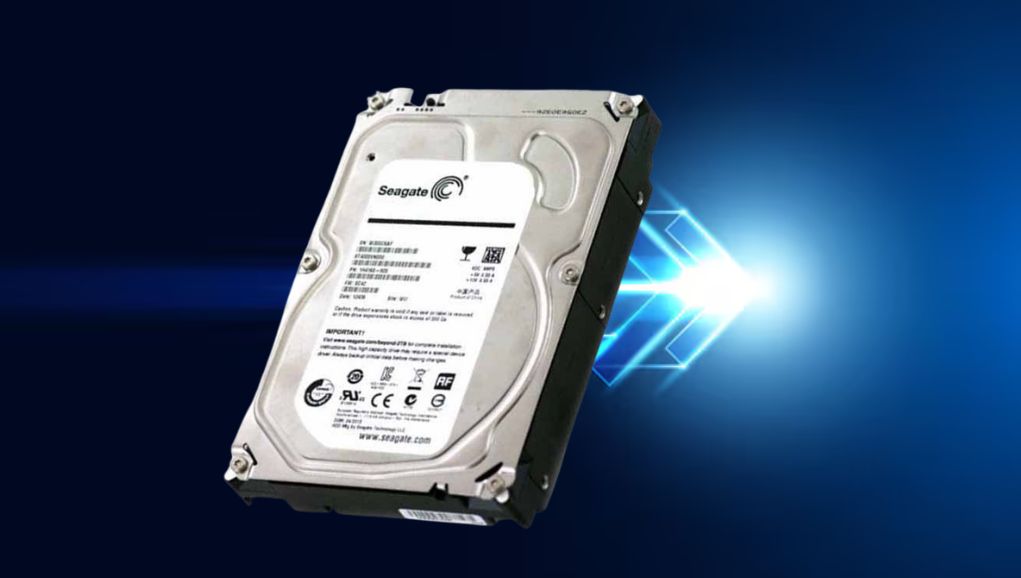
This hard drive can store up to 1000 HD movies, 10,000 albums, or millions of photos, making it perfect for media enthusiasts. External HDDs enable easy transport between devices. It efficiently supports sequential data access, enabling smooth streaming and editing of video and audio files without interruptions and ensuring a reliable media storage solution for personal or professional use.
Conclusion
In conclusion, the 4TB HDD remains an essential storage solution for gamers, professionals, and everyday users. Its high capacity, reliable performance, and cost-effectiveness make it ideal for storing large files, multimedia, and backups.
With versatile connectivity, desktop and laptop compatibility, and long-term durability, the 4TB HDD continues to provide efficient, dependable storage. It stands as a practical choice for managing digital content without frequent upgrades or added expenses.
Want to know about DDR4 Ram 16GB: Advanced High-Speed Memory Engineered for Superior Performance and Future-Ready Computing Power Check out our Tech category.
FAQs
A hard disk drive is a storage device that saves data magnetically on spinning platters, allowing users to store files, videos, and backups efficiently for computers and laptops.
Modern drives can hold several terabytes of data, including millions of photos, thousands of movies, and large software or game collections, making them ideal for personal and professional use.
Drives generally spin at 5400–7200 RPM with cache ranging from 64MB to 256MB, ensuring steady performance for large files, video editing, and sequential data access.
These drives can store multiple AAA games, downloadable content, and saved files. Although slower than solid-state drives, they provide extensive, cost-effective storage options.
Internal drives connect via SATA III, while external models often use USB 3.0, USB 3.1, or USB-C, allowing easy plug-and-play access across different operating systems.