
What is halloumi cheese? It is a semi-hard cheese originating in the Mediterranean, especially Cyprus, with a centuries-old legacy. Traditionally made from sheep and goat milk, it has been preserved through local farming practices and passed down through generations, linking it closely to regional culture. Its unique reheated curd process gives it a firm texture and high heat resistance, allowing grilling or frying without melting.
Rich in protein, calcium, and vitamins B12 and A, halloumi supports nutrition while offering culinary versatility. Globally, it is now used in salads, sandwiches, and vegetarian dishes. Understanding what is halloumi cheese highlights its historic significance, nutritional value, and lasting contribution to international cuisine.
| Basics | Details |
| Traditional origin | Mediterranean roots linked to Cyprus |
| Cultural identity | Preserved through generations locally |
| Primary milk | Sheep and goat milk |
| Milk variation | Cow milk is added commercially. |
| Texture influence | Milk type affects firmness. |
| Production style | Unique reheated curd process |
| Heat treatment | Reheating raises the melting point. |
| Folding method | Creates a layered firm structure |
| Structural benefit | Even cooking and durability. |
| Salt purpose | Preserves flavor and firmness |
| Mint use | Adds aroma and shelf life |
| Nutrient profile | Dense protein and fat content |
| Vitamins minerals | Calcium, B12, vitamin A |
| Cooking behavior | Browns without melting easily |
| Dietary role | Meat alternative with protein |
| Storage method | Stored safely in brine |
Traditional Origin and Identity
What is halloumi cheese? It is a cheese that originated in the Mediterranean region, primarily associated with Cyprus. For centuries, it has been part of everyday food culture and seasonal preservation practices. Families produced it to store milk for long periods. Over time, its identity became linked with regional cooking styles, local farming, and traditional knowledge passed through generations of cheese makers.
Milk Sources and Their Effects

Halloumi cheese is traditionally made from sheep’s and goat’s milk, both of which contribute richness and firmness. Sheep milk increases fat and creaminess, while goat milk adds a slightly sharp note. Modern producers often include cow milk to increase volume and accessibility. Each milk type affects texture, salt absorption, and flavor intensity, creating noticeable differences between traditional and commercial varieties sold in markets.
Manufacturing Method
What is halloumi cheese? Its manufacturing process is unique among cheeses. Fresh milk is heated and mixed with rennet to form curds. These curds are pressed and cut, then reheated in whey at high temperature. This reheating step is critical because it gives halloumi its high melting point. Afterward, the cheese is shaped, salted, cooled, and sometimes folded before storage.
Folding and Structural Formation
After reheating, halloumi cheese is often folded into a rectangular shape. This folding helps strengthen internal layers and improve durability during cooking. The folded design also allows salt or herbs to be trapped inside. This stage affects final texture, giving halloumi its layered bite. The structure enables even heat distribution when grilling or frying, preventing collapse and uneven cooking during preparation.
Role of Salt and Mint

What is halloumi cheese? Salt is essential for flavor development, preservation, and moisture control. It slows bacterial growth and enhances firmness. In traditional preparation, dried mint leaves are placed inside the folded cheese. Mint adds a subtle herbal aroma and helps extend shelf life naturally. Together, salt and mint define the classic sensory profile associated with authentic halloumi cheese varieties.
Nutritional Composition
- Halloumi cheese is rich in protein, which supports muscle maintenance and satiety.
- It also contains fat, contributing energy and mouthfeel.
- The moisture level is lower than that of many soft cheeses, making it more filling.
- Small amounts of carbohydrates are present in milk sugars.
- Because of its high density, halloumi provides more nutrition per serving than spreadable or fresh cheeses.
What Is Halloumi Cheese? Vitamins and Mineral Contents
What is halloumi cheese? It provides essential minerals, such as calcium and phosphorus, that support strong bones and teeth. Magnesium and zinc are also present in smaller amounts. The cheese contains vitamin B12, essential for nerve function and red blood cell production, as well as vitamin A, which supports vision and immune health. Balanced intake helps maximize benefits while managing sodium levels.
Heat Resistance and Cooking Behavior
Halloumi cheese is widely valued for its resistance to melting. When exposed to high temperatures, it browns on the surface while remaining intact inside. This behavior allows for grilling, pan frying, roasting, or barbecuing without losing form. The Maillard reaction on the surface enhances flavor, creating a crispy exterior that contrasts with the soft, chewy center.
Dietary and Functional Benefits
What is halloumi cheese? It serves as a practical protein option for individuals reducing meat intake. The firm texture provides a satisfaction similar to that of meat, making meals more filling. Calcium content supports skeletal health, while protein helps maintain muscle mass. Its ability to be cooked without melting adds functional value in meal planning, especially in vegetarian, flexitarian, and Mediterranean-style diets.
Sodium and Fat Considerations
Despite its benefits, halloumi cheese contains relatively high levels of salt and saturated fat. Excessive consumption may not suit individuals managing blood pressure or cholesterol. Portion control is essential to maintain balance. Pairing halloumi with fresh vegetables, grains, or fruit helps reduce overall sodium density in meals while still enjoying its flavor and texture responsibly.
Storage and Preservation Methods
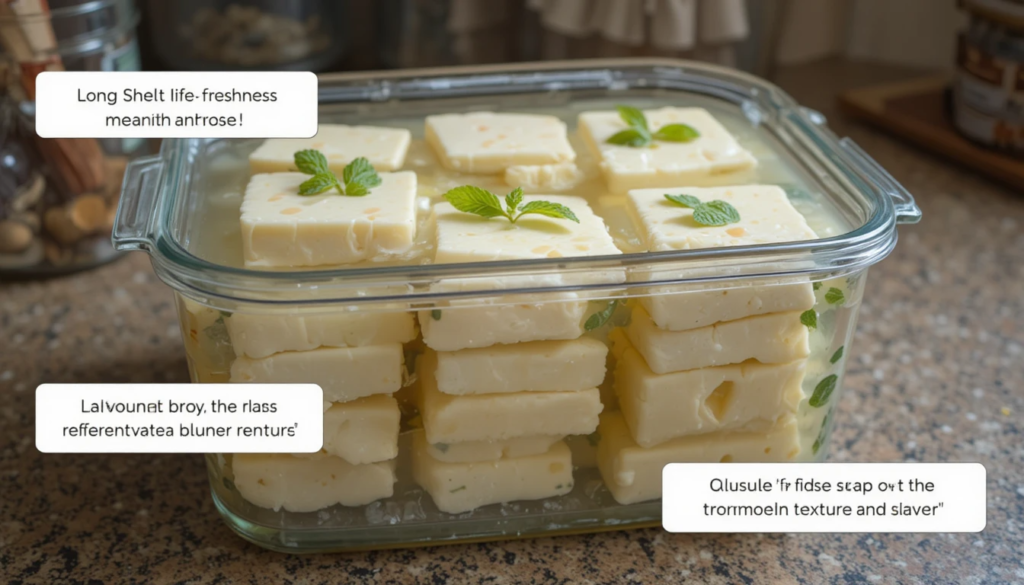
- What is halloumi cheese? It is commonly stored in brine, a salted liquid that prevents drying and microbial growth.
- Unopened packages can remain fresh for several months under refrigeration.
- Once opened, the cheese should be kept submerged in brine or sealed tightly.
- Proper storage preserves elasticity, flavor, and cooking performance, ensuring consistent quality throughout its usable life.
Cost and Market Pricing
Halloumi cheese is typically priced higher than standard cheeses due to milk quality, production complexity, and storage requirements. Authentic versions made with sheep and goat milk are more expensive than blended varieties. Import costs and regional demand also affect pricing. Consumers often accept the higher price because of halloumi’s versatility, cooking stability, and ability to serve as a main dish component.
Global Demand and Culinary Use

- What is halloumi cheese? Its popularity has increased globally as food trends favor grilled cheeses and meat alternatives.
- It is used in salads, sandwiches, wraps, and plated dishes across many cuisines.
- Restaurants value its reliability under heat, while home cooks appreciate its simplicity.
- Growing awareness of Mediterranean foods continues to drive demand in supermarkets, specialty stores, and international food markets.
Culinary Uses and Serving Ideas
Halloumi cheese is widely appreciated for its ability to hold shape during cooking, making it a flexible ingredient in both traditional and modern recipes. It can be sliced and grilled for salads, pan-fried for breakfast platters, or added to wraps and sandwiches for extra texture and flavor. Many chefs also pair it with fruits like watermelon, figs, or pomegranate to balance its salty taste with natural sweetness.
In vegetarian meals, halloumi often replaces meat because of its firm, protein-rich structure, making dishes more filling and satisfying. Its versatility has made it a popular choice in restaurants as well as home kitchens around the world.
Conclusion
In summary, what is halloumi cheese is more than just a flavorful dairy product; it is a culinary tradition from Cyprus with a rich history. Its unique texture, high protein content, essential minerals, and vitamins make it nutritious and versatile. Halloumi’s ability to withstand heat, combined with its layered structure, ensures it remains a favorite in global cuisines. Understanding what is halloumi cheese highlights its cultural legacy, practical benefits, and growing popularity in modern cooking.
Want to know about Best Supplements for Muscle Growth: Top Choices to Maximize Strength, Boost Recovery, and Achieve Lean Muscle Faster Check out our Health category.
FAQs
Halloumi resists melting because the curds are reheated during production. This process strengthens its structure, allowing it to be grilled, fried, or roasted without losing shape.
It is best stored in salted brine inside the refrigerator. Once opened, keep it sealed or submerged to maintain freshness, texture, and flavor for several days.
Halloumi provides protein, calcium, and vitamins like B12 and A. However, it contains high salt and fat, so it should be eaten in moderation for a balanced diet.
Halloumi can be grilled, fried, roasted, or barbecued. It develops a golden crust while staying firm inside, making it versatile for salads, sandwiches, and vegetarian dishes.
It is rich in protein and fat, low in moisture, and contains essential minerals like calcium and phosphorus. It offers substantial nutrition even in small servings.