The best things to do in Brockenhurst are walking and cycling straight into the New Forest from the village, driving or cycling the Rhinefield Ornamental Drive and its Tall Trees Trail, watching the ponies and cattle that wander the village streets, visiting St Nicholas’ Church, and eating at one of the area’s well-known country hotels. Brockenhurst also has a mainline railway station, making it one of the easiest New Forest bases to reach without a car, and it sits within easy reach of Lymington, Beaulieu and Lyndhurst. Here is how to plan a day or a weekend.
| If you have… | Do this |
| Two hours | Village stroll, Brockenhurst Watersplash, St Nicholas’ Church |
| Half a day | Rhinefield Ornamental Drive, Tall Trees Trail, Blackwater Arboretum |
| A full day | Hire bikes and ride forest gravel tracks, or walk to Lymington |
| A weekend | Add Beaulieu, Buckler’s Hard or a ferry hop to the Isle of Wight |
Exploring Brockenhurst village
The village centre and the Watersplash
Brockenhurst is one of the largest villages in the New Forest National Park, with a compact centre of independent shops, cafés, pubs and a few everyday essentials. The first thing most visitors notice is the livestock: New Forest ponies, cattle and donkeys have commoners’ rights to graze and often stand in the road or rest outside shops. The Watersplash, a shallow ford on Brookley Road, is a favourite spot for children and a place where ponies often gather in warm weather.
St Nicholas’ Church
On a small rise just outside the centre, St Nicholas’ Church is widely described as the oldest church in the New Forest, with parts dating back to Norman times. Its churchyard has an enormous ancient yew and a war cemetery containing the graves of soldiers from New Zealand and other countries who died in hospitals set up nearby during the First World War. It is a peaceful, moving place and a short walk from the station. The village’s larger Victorian church, St Saviour’s, is also worth a look if you are passing.
Walks and outdoor activities around Brockenhurst
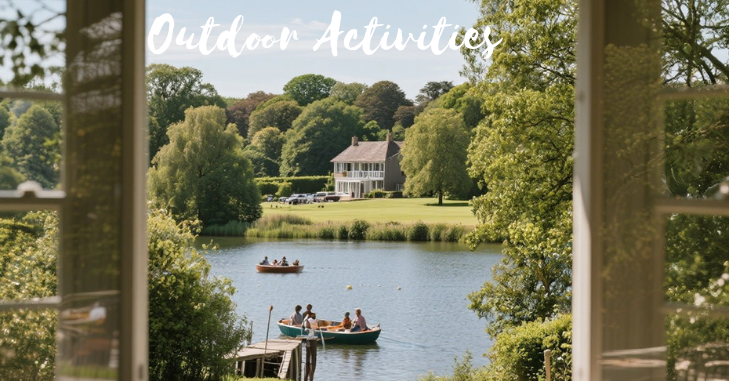
The big draw is that you can walk out of the village straight into open forest, heath and lawns. Forestry England maintains many car parks and waymarked trails, and Ordnance Survey Explorer map OL22 covers the whole area if you want to plan your own route.
Rhinefield Ornamental Drive and the Tall Trees Trail
Just north-west of the village, the Rhinefield Ornamental Drive is a road lined with towering conifers planted in the Victorian era, including some of the tallest trees in the country. Park at Blackwater car park to walk the Tall Trees Trail, an easy, mostly flat loop suitable for families, and to visit the small Blackwater Arboretum. Across the A35 the drive becomes the Bolderwood Ornamental Drive, where you can visit the deer viewing platform at Bolderwood and continue to the Knightwood Oak, one of the forest’s oldest and largest oak trees, near Lyndhurst.
Balmer Lawn and the Lymington River
On the northern edge of the village, Balmer Lawn is a wide open grassland by the Lymington River, perfect for a picnic, a paddle and gentle riverside walks towards the woods. It is also a common starting point for longer routes across the forest.
Brockenhurst to Lymington walk
For a longer day, you can walk south across open heath and through Boldre to the coastal town of Lymington, a route of roughly five to six miles depending on the paths you choose. The branch railway line between Lymington and Brockenhurst means you can catch the train back instead of retracing your steps. Paths can be muddy for much of the year, so walking boots are a good idea.
Cycling
The New Forest has a network of gravel tracks open to cyclists, and Brockenhurst is one of the most popular starting points, with bike hire, including e-bikes and children’s bikes, available close to the station. Stick to the waymarked cycle routes: cycling on footpaths and open heath off the network is not permitted in the Crown Lands. Ride slowly past animals, and remember that ponies can kick if startled.
Horse riding and wildlife watching
Riding stables around the forest offer hacks for beginners and experienced riders. For wildlife, early morning and evening are best. As well as ponies and cattle, look for fallow deer in woodland clearings and, in summer, heathland birds such as the Dartford warbler and stonechat. In autumn, pigs are turned out during the pannage season to eat fallen acorns, a tradition that surprises many visitors.
Pony and forest etiquette
- Do not feed or pat the ponies and donkeys. Feeding encourages them onto roads and can make them ill or aggressive.
- Drive slowly, especially at night. Much of the forest is unfenced, and animals are struck by cars every year.
- Keep dogs under close control, particularly near livestock and ground-nesting birds in spring and early summer.
- Barbecues and fires are not allowed on the open forest. Take litter home.
A suggested one-day itinerary
- Morning: arrive by train or park in the village, grab a coffee, and walk up to St Nicholas’ Church before the day gets busy.
- Late morning: hire bikes near the station and follow a waymarked gravel route towards the Rhinefield Ornamental Drive, stopping at Blackwater for the Tall Trees Trail.
- Lunch: picnic on Balmer Lawn by the river, or book a table at one of the country hotels.
- Afternoon: take the short train ride to Lymington to wander the high street and quay, or walk the salt marsh path along the coast.
- Evening: return to Brockenhurst for dinner at a village pub, keeping an eye out for ponies on the way back.
With young children, swap the bike ride for the Tall Trees Trail and an afternoon paddling at the Watersplash. On a rainy day, Beaulieu’s National Motor Museum and Palace House offer plenty to do under cover and are a short drive away.
Visiting with dogs
Brockenhurst is very dog-friendly, and many pubs and cafés welcome well-behaved dogs. The New Forest has a dog walking code: keep dogs away from ponies, cattle and deer, pick up after them, and keep them on a lead or close to you on heathland during the bird nesting season, roughly March to July. Some car parks and areas have seasonal restrictions, so check signs as you arrive.
Where to eat and drink
Brockenhurst punches above its weight for food. THE PIG, a country house hotel on the edge of the forest, is known for its kitchen garden and menus built around ingredients sourced within a short distance. Rhinefield House, a grand Victorian mansion on the Ornamental Drive, is a popular choice for afternoon tea and special occasions. The Balmer Lawn Hotel overlooks the green of the same name and serves food throughout the day. In the village itself you will find traditional pubs and several cafés that are used to walkers, cyclists and dogs. Popular places book up at weekends and in school holidays, so reserve ahead.
Events through the year
The New Forest and Hampshire County Show, usually held over three days in late July, takes place at New Park just outside Brockenhurst. It is one of the biggest agricultural shows in the south of England, with livestock, show jumping, food halls and crafts. Expect heavy traffic around the village during show week, and consider arriving by train. Around Christmas, the village and nearby towns hold festive events and markets; check local listings for dates.
Nearby places to visit
| Place | Why go | How to get there |
| Lymington | Georgian high street, Saturday market, quay and salt marshes | Short train ride or bike |
| Lyndhurst | The forest’s “capital”, New Forest Heritage Centre, shops | A few miles north by car, bus or bike |
| Beaulieu | National Motor Museum, Palace House and abbey ruins | Car or bike |
| Buckler’s Hard | Historic shipbuilding village on the Beaulieu River | Car, or a riverside walk from Beaulieu |
| Isle of Wight | Beaches, coastal walks and food | Car ferry from Lymington to Yarmouth |
If you take the ferry across, our guide to places to eat on the Isle of Wight will help you plan lunch.
Practical information for visitors
Getting there
By train: Brockenhurst station is on the main line between London Waterloo and Weymouth, with direct services to London, Southampton, Bournemouth and Winchester, plus the branch line to Lymington. It is one of the few New Forest villages where a car-free break is genuinely easy. By car: the village sits on the A337 between Lyndhurst and Lymington, a short drive from the M27. Parking in the centre is limited at busy times, so use the public car parks or forest car parks nearby.
Where to stay
Options range from country house hotels and pubs with rooms to B&Bs, self-catering cottages and campsites in the surrounding forest. Summer weekends and school holidays fill quickly, so book early if you are visiting in July or August, especially during show week.
Best time to visit
Spring brings foals and fresh green woodland, late summer turns the heathland purple with heather, and autumn is the most atmospheric season, with fungi, rutting deer and pannage pigs. Winter is quiet and muddy but beautiful on crisp days. Whatever the season, pack layers, a waterproof and sturdy footwear.
For more UK and overseas trip ideas, browse our Travel category.
Frequently asked questions
Is Brockenhurst worth visiting?
Yes. It combines direct train access with forest walks and cycle routes from the village, free-roaming ponies, good places to eat and easy trips to Lymington and Beaulieu.
Can you visit Brockenhurst without a car?
Yes. The station has direct trains from London Waterloo and Southampton, and bike hire is available close to the station for exploring the forest.
Where can I see the New Forest ponies in Brockenhurst?
Often in the village itself, around the Watersplash and on Balmer Lawn. Watch from a distance and do not feed them.
What is the best easy walk near Brockenhurst?
The Tall Trees Trail from Blackwater car park on the Rhinefield Ornamental Drive is flat, family-friendly and passes some of the tallest trees in Britain.
When is the New Forest Show?
It is usually held over three days in late July at New Park, just outside Brockenhurst. Check the show’s official listings for exact dates.