Getting rid of the penny has been debated for decades due to its declining usefulness and rising production costs. Many economists argue that the penny is necessary as inflation has reduced its purchasing power, and over 28 billion coins have been minted since decimalisation in 1971. Originally made of bronze and later copper-plated steel, the coin featured Queen Elizabeth II’s portrait and shield designs.
Rare pre-decimal pennies retain cultural and collector value. Removing the penny could simplify transactions, reduce handling, and save resources, making getting rid of the penny both practical and efficient in modern currency systems while preserving historical significance.
| Basics | Details |
| Origins | Penny started under King Offa; 1p was introduced in 1971. |
| Material | Bronze first, later copper-plated steel. |
| Design | Monarch portraits, shield segments. |
| Value | Low purchasing power; costly to produce. |
| Purpose | Simplifies transactions; reduces handling. |
| Global | Canada, Australia, and New Zealand removed coins. |
| Circulation | 28+ billion minted; many unused. |
| Efficiency | Saves time and storage. |
| Culture | Sentimental; rare coins are collectible. |
| Transition | Gradual phase-out with public education. |
| Relevance | Inefficient in the modern economy. |
| Impact | Saves resources; modernizes currency. |
| Collectibles | Pre-decimal/commemorative coins retain value. |
| Cash | Rounding simplifies payments. |
| Future | Digital payments reduce the need for pennies. |
| Summary | Penny removal is practical, efficient, and sustainable. |
Historical Origins of the Penny
The penny has a long history in the United Kingdom, originally minted in silver during the Anglo-Saxon era under King Offa in the 8th century. Decimalisation in 1971 introduced the modern 1p coin under Queen Elizabeth II, initially made of bronze. Over time, the coin’s design featured portraits of monarchs, national symbols, and later shield segments, reflecting tradition and evolving aesthetics.
The Case for Getting Rid of the Penny
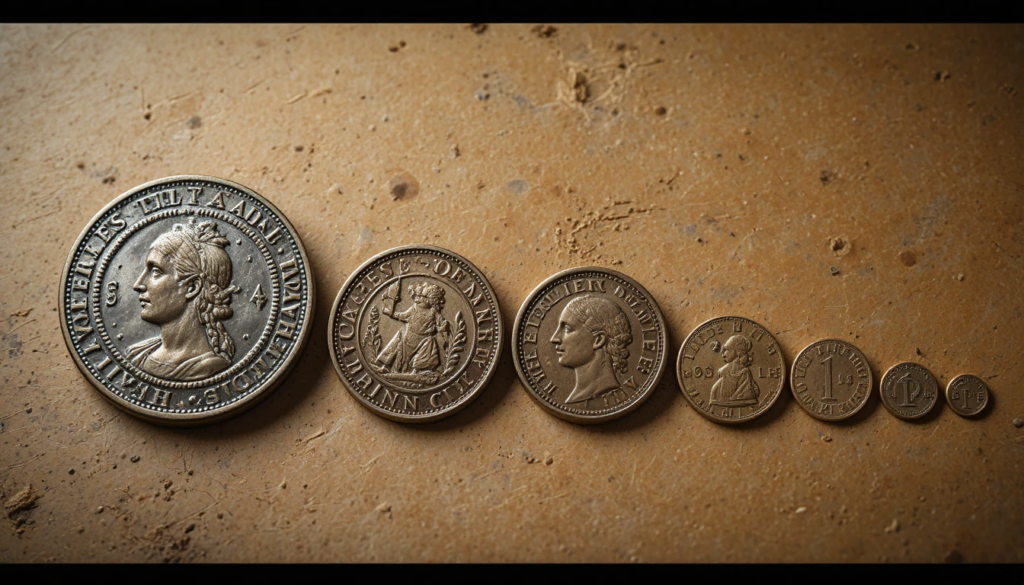
Many economists and financial analysts support getting rid of the penny because its practical value has diminished. A single penny buys almost nothing due to inflation, yet producing and distributing it costs more than its face value. Removing the coin could streamline cash transactions, reduce production and handling costs, and align the UK currency system with modern digital payment trends.
Composition and Design Changes
The 1p coin originally consisted of 97% copper, 2.5% zinc, and 0.5% tin. Rising metal prices prompted a switch to copper-plated steel in 1992, resulting in a lighter, magnetic coin. The obverse featured Queen Elizabeth II’s portrait, while the reverse designs evolved from the crowned portcullis to shield segments. These changes preserved tradition but did little to restore purchasing power.
Global Examples

Several countries, including Canada, Australia, and New Zealand, have successfully eliminated low-value coins, demonstrating that getting rid of the penny is feasible. These nations rounded cash transactions while keeping digital payments precise. Their experience indicates that removing pennies does not disrupt commerce and that public adaptation is possible with gradual implementation and clear explanation of new rounding practices.
Circulation and Handling
The UK has produced more than 28 billion pennies since decimalisation. Despite this massive number, many coins are hoarded, lost, or rarely used. Retailers spend significant time counting and sorting them. While technically legal tender, the penny often adds inefficiency to cash transactions.
Its widespread circulation contrasts with its declining practical relevance, raising questions about the continued value of producing such low-denomination coins. Getting rid of the could reduce costs, simplify transactions, save time, and modernize handling.
Cultural and Nostalgic Value

The penny holds sentimental and cultural importance for many people. Collectors value rare pre-decimal coins such as the Edward VII penny, while modern pennies evoke childhood memories and charitable giving traditions. Despite this emotional attachment, the coin’s practical utility has decreased. Digital and cashless payments are increasingly common, making the penny more symbolic than functional in modern everyday life.
Rare and Collectible Pennies
- Although standard pennies are largely obsolete, rare coins retain monetary and historical value.
- Pre-decimal coins and commemorative issues, such as Victorian or George V pennies, are sought by collectors and can sell for substantial sums.
- These coins are preserved for numismatic and historical purposes rather than daily use, showing that while ordinary pennies may be obsolete, some maintain value due to rarity and cultural significance.
Challenges and Public Transition

Phasing out the penny requires careful planning and public awareness. People need to understand rounding rules, and businesses must adjust pricing systems. Gradual implementation minimizes confusion and maintains trust. Sentimental attachment may slow acceptance, especially among older generations. Clear communication and education campaigns can facilitate a smooth transition, allowing society to adopt a penny-free currency system without disrupting commerce or consumer confidence.
Economic Efficiency and Modern Relevance
- The penny’s low purchasing power and production costs outweigh its practical use.
- With minting expenses approaching or exceeding face value, retaining the coin is inefficient.
- Getting rid of the penny would save resources, streamline transactions, and allow funds to be allocated to more meaningful economic purposes.

How Penny Removal Could Affect Everyday Spending
For everyday consumers, eliminating the penny would mainly affect cash transactions through rounding, while digital payments would remain exact to the cent. For example, a total ending in 1p or 2p could round down, while 3p or 4p might round up, making payments quicker and reducing the need for loose change. Businesses could benefit from faster checkout times, lower cash-handling costs, and simplified accounting processes.
Critics worry about potential price inflation, but evidence from countries such as Canada and Australia shows that rounding systems are generally fair and balanced over time. This practical impact highlights how removing the penny could make everyday commerce more efficient without significantly affecting consumers’ spending power.
Conclusion
In conclusion, the penny has a long history but has lost its practical value due to inflation and high production costs. Getting rid of the penny can simplify cash handling, save resources, and streamline transactions while still preserving rare coins for collectors. With modern digital payments and global examples proving feasibility, removing the penny is a practical, efficient, and sustainable step toward a more contemporary and effective currency system.
Want to know about Is Next Insurance Legit? A Comprehensive Review of Its Reliability, Financial Strength, and Suitability for Small Businesses and Entrepreneurs Check out our Finance category.
FAQs
The penny originated in the 8th century under King Offa. The modern 1p coin was introduced in 1971, initially made of bronze and later changed to copper-plated steel.
Many argue that pennies have low purchasing power, and production costs often exceed their value, making them inefficient and cumbersome in modern cash transactions and digital payment systems.
Since 1971, the UK has minted over 28 billion pennies. Despite this large number, many coins remain unused, hoarded, or lost, reducing their practical use in daily transactions.
The penny was initially 97% copper with small amounts of zinc and tin. Since 1992, it has been made of copper-plated steel, making it lighter and magnetic.