Menopause is a natural stage in every woman’s life, but the symptoms can often feel overwhelming and life-changing. Many women across the UK experience hot flushes, night sweats, mood swings, poor sleep, low energy, anxiety, brain fog, and hormonal imbalance during perimenopause and menopause, which can significantly affect daily comfort and confidence.
Because of this, the best menopause supplements UK have become increasingly popular as women look for natural and effective ways to support their health and wellbeing. From vitamins and minerals to herbal remedies and hormone-support formulas, there are now countless menopause products available in the UK market.
This guide explores the best menopause supplements in the UK, the most popular ingredients, their potential benefits, and how to choose the right support for your individual needs.
| best menopause supplements UK | Key Nutrients / Herbs | Main Benefits |
| Vitamins & Minerals | Vitamin D, Calcium, Magnesium, Vitamin B Complex, Vitamin K₂ | Supports bone strength, energy production, mood balance, and overall health |
| Omega-3 & Fatty Acids | Omega-3 fatty acids, Evening Primrose Oil (GLA) | Supports brain function, heart health, mood stability, and hormonal balance |
| Herbal Remedies | Helps with hot flushes, night sweats, stress, sleep, and emotional well-being | Helps with hot flushes, night sweats, stress, sleep, and emotional well-being |
| Sleep Support | Magnesium, Melatonin, Valerian Root, L-Theanine | Improves sleep quality, relaxation, and stress reduction |
| Energy Support | Vitamin B12, Iron, Magnesium, CoQ10, Ginseng | Reduces fatigue and supports energy levels and stamina |
| Mood Support | Magnesium, Omega-3, Vitamin B Complex | Maintains bone density and reduces the risk of osteoporosis |
| Bone Health Support | Calcium, Vitamin D, Magnesium, Vitamin K₂ | Maintains bone density and reduces the risk of osteoporosis |
| Brain Fog Support | Omega-3, Vitamin B12, Magnesium, Ginkgo Biloba | Improves focus, memory, and mental clarity |
What are the best menopause supplements in the UK?
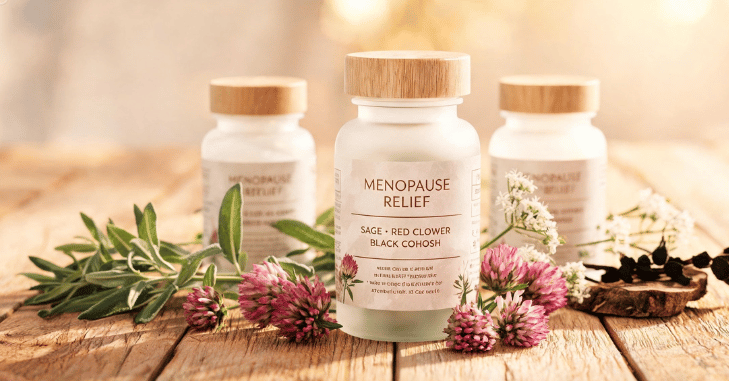
The best menopause supplements UK are specially formulated products designed to support women during the natural transition of menopause, which officially occurs when a woman has not had a menstrual period for 12 consecutive months.
This stage is mainly caused by a decline in reproductive hormones, particularly estrogen and progesterone, leading to a range of physical, emotional, and cognitive symptoms. These supplements typically combine vitamins, minerals, and herbal ingredients to help support hormonal balance, reduce discomfort, and improve overall well-being during this important life stage.
Menopause supplements in the UK are designed to provide targeted nutritional and herbal support during the hormonal changes that occur in perimenopause and menopause. These supplements typically combine essential vitamins, minerals, and plant-based extracts to help manage common symptoms such as hot flushes, fatigue, mood swings, sleep disturbances, and brain fog.
By supporting hormone balance, energy production, bone strength, and emotional well-being, they offer a convenient way for women to maintain daily comfort and overall health during this natural life stage.
Common Age Range
Most women experience menopause between
- 45 and 55 years old
- Some women may experience early menopause before age 45.
Common Menopause Symptoms
Menopause affects every woman differently. Some experience mild symptoms, while others may struggle with daily discomfort.
Physical Symptoms
- Hot flushes
- Night sweats
- Fatigue
- Weight gain
- Joint pain
- Headaches
Emotional & Cognitive Symptoms
Mood swings
“Mood swings” refer to sudden and noticeable changes in emotional state. A person may feel fine for one moment and then suddenly become sad, overwhelmed, or unusually emotional without a clear reason. These shifts are often linked to hormonal changes and can affect relationships, daily routines, and overall emotional stability. Over time, they may feel exhausted if not managed with support and lifestyle adjustments.
Anxiety
Anxiety during this phase can appear as constant worry, restlessness, or a feeling that something bad might happen even when there is no real cause. It may also include physical signs like a racing heart, tension, or difficulty relaxing. This heightened state of alertness can make everyday situations feel more stressful than usual and may interfere with sleep and focus.
Irritability
Irritability means becoming easily annoyed or frustrated, even over small or minor issues. It can lead to a short temper, impatience with others, and feeling emotionally drained. This often happens due to changes in hormone levels affecting brain chemicals that regulate mood. As a result, normal daily interactions may feel more overwhelming than before.
Brain fog
Brain fog is a common experience where thinking feels slow, unclear, or fuzzy. People may struggle to organize their thoughts, follow conversations, or make decisions as quickly as they used to. It is not a medical condition on its own but a symptom that can be influenced by hormonal changes, stress, lack of sleep, or fatigue.
Poor concentration
Poor concentration makes it difficult to stay focused on tasks for long periods. A person may find their mind wandering frequently or feel easily distracted. This can affect work, reading, or even simple daily activities. It may also lead to frustration because tasks take longer to complete than usual.
Memory issues
Memory problems may include forgetting names, appointments, or where items were placed. These lapses are usually mild, but I can still make one feel concerned. They are often linked to changes in estrogen levels, which can affect brain function. While not permanent, they can become more noticeable during periods of stress or poor sleep.
Low motivation
Low motivation refers to a reduced interest in activities that once felt enjoyable or important. A person may feel tired, unmotivated, or emotionally “flat,” making it harder to start or complete tasks. This can affect productivity and daily routines and is often connected to both hormonal shifts and emotional changes.
Sleep-Related Symptoms
Many women prefer natural support options before considering medical treatments such as hormone replacement therapy (HRT). These supplements are widely used as part of daily wellness routines to help manage common menopausal symptoms.
Reasons Women Use Menopause Supplements
- To support hormonal balance: Many supplements are designed to help the body adjust to changing hormone levels during menopause, which may ease overall discomfort.
- To reduce hot flushes: Some ingredients are used to help lessen the intensity and frequency of hot flushes and night sweats.
- To improve sleep quality: Menopause can disrupt sleep patterns, and supplements are often taken to promote more restful and uninterrupted sleep.
- To support emotional well-being: Certain nutrients may help stabilize mood and reduce feelings of anxiety, irritability, or low mood.
- To increase energy levels: Fatigue is common during menopause, and supplements are used to help maintain more consistent daily energy.
- To maintain bone health, many formulations include nutrients like calcium and vitamin D to support bone strength and reduce the risk of bone loss.
- To support heart and brain health: Some supplements are designed to support long-term cardiovascular and cognitive health during and after menopause
Best Vitamins for Menopause Support
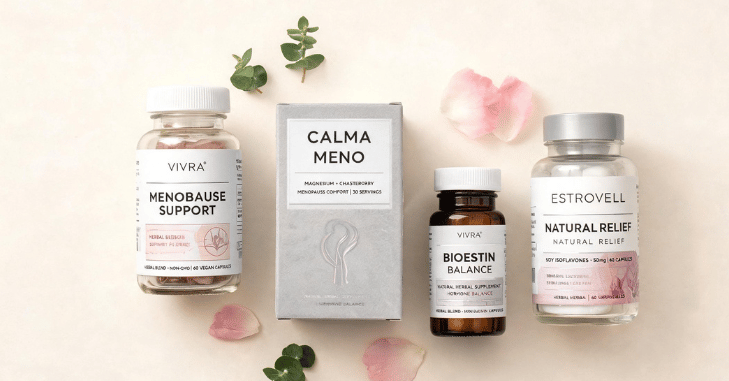
Vitamin D
Vitamin D is one of the most important nutrients during menopause because hormone changes can weaken bones.
Benefits of Vitamin D
- Supports bone strength
- Helps immune function
- Supports muscle health
- May improve mood
Common Sources
- Vitamin D3 supplements
- Oily fish
- Fortified foods
- Sunlight exposure
Calcium
Calcium works alongside vitamin D to maintain healthy bones and reduce osteoporosis risk.
Benefits of Calcium
- Supports bone density
- Helps muscle function
- Supports healthy teeth
Magnesium
Magnesium is commonly used to support sleep, relaxation, and mood during menopause.
Potential Benefits
- May improve sleep quality
- Helps muscle relaxation
- Supports stress management
- May reduce fatigue
Popular Forms
- Magnesium glycinate
- Magnesium citrate
Vitamin B Complex
Vitamin B complex is made up of essential B vitamins that play a key role in maintaining overall health, especially energy production and nervous system function. These vitamins help the body convert food into energy, which supports daily vitality and helps reduce feelings of tiredness and fatigue.
They are also important for proper brain function, memory, and mental clarity, while contributing to emotional well-being by supporting the production of mood-regulating neurotransmitters. Key B vitamins include vitamin B6, which helps with brain development and mood balance; vitamin B12, which supports nerve health and red blood cell formation; and folate, which is essential for cell function and overall cognitive health.
Omega-3 Fatty Acids
Omega-3 supplements are widely used for heart, brain, and joint support.
Possible Benefits
- Supports heart health
- Helps brain function
- May improve mood
- Supports healthy joints
Best Herbal Remedies for Menopause
Black Cohosh
Black cohosh is one of the most well-known menopause herbs in the UK. It has traditionally been used to help manage common symptoms linked to hormonal changes. Many women use it to reduce hot flushes and night sweats and to support overall mood stability. However, it is important to note that women with liver conditions should consult a healthcare professional before using black cohosh, as it may not be suitable for everyone.
Red Clover
Red clover contains natural compounds called isoflavones, which may have mild estrogen-like effects in the body. It is commonly used by women during menopause to help ease hot flushes and support long-term health. Some studies suggest it may also contribute to maintaining bone strength and supporting heart health, making it a popular herbal option for overall well-being.
Sage
Sage has been used traditionally for centuries to help control excessive sweating and body temperature. It is especially popular for managing hot flushes and night sweats associated with menopause. Many women use sage as a natural way to feel more comfortable during daily life and to reduce episodes of overheating.
Ashwagandha
Ashwagandha is an adaptogenic herb known for its ability to help the body manage stress. During menopause, it is often used to support relaxation, reduce anxiety, and improve sleep quality. It may also help improve energy levels and reduce fatigue, making it a helpful herb for overall emotional and physical balance.
Evening Primrose Oil
Evening primrose oil contains gamma-linolenic acid (GLA), a fatty acid often used to support hormonal balance. It is commonly taken to help with symptoms such as skin dryness, breast tenderness, and general hormonal discomfort. Many women include it in their routine as part of a natural approach to managing menopause symptoms.
Best Menopause Supplements for Sleep

Sleep problems are one of the most common menopause complaints.
Helpful Sleep Support Supplements
Magnesium
- Supports relaxation
- May improve sleep quality
Melatonin
- Often used for sleep support
- Commonly used short-term
Valerian Root
- Traditionally used for relaxation
- May support restful sleep
L-Theanine
- Helps calm the nervous system
- Supports stress reduction
Best Menopause Supplements for Energy
Low energy and fatigue are common during menopause.
Popular Energy Support Ingredients
- Vitamin B12
- Iron
- Magnesium
- CoQ10
- Ginseng
Common Mood Support Nutrients
The best menopause supplements UK often include key mood-support nutrients that help women manage emotional changes during menopause. Magnesium is widely used for its calming effects on the nervous system and its ability to support relaxation.
Omega-3 fatty acids are important for brain health and may help improve mood stability and reduce feelings of low mood. Vitamin B complex plays a vital role in energy production and emotional balance, supporting brain function and helping to reduce tiredness and irritability.
Best Supplements for Bone Health During Menopause
Bone density naturally declines after menopause due to reduced estrogen levels.
Key Bone Health Nutrients
- Calcium
- Vitamin D
- Magnesium
- Vitamin K2
Lifestyle Tips for Bone Health
- Strength training
- Walking
- Balanced diet
- Adequate protein intake
Best Supplements for Menopause Brain Fog
Nutrients That May Help
- Omega-3 fatty acids
- Magnesium
- Vitamin B12
- Ginkgo biloba
How to Choose the Best Menopause Supplement in the UK
- Evidence-Based Ingredients: Choose supplements that include research-backed vitamins, minerals, and herbal extracts proven to support menopause symptoms.
- Transparent Ingredient Lists: Look for clear labeling that shows exact ingredients and dosages, and avoid products with vague “proprietary blends.”
- Quality Manufacturing: Select reputable UK brands that follow good manufacturing practices (GMP) and quality testing standards.
- Minimal Artificial Additives: Prefer supplements with fewer fillers, preservatives, and artificial colors or flavors for a cleaner formula.
Can menopause supplements replace HRT?
Menopause supplements are not a direct replacement for hormone replacement therapy.
Important Points
- HRT may provide stronger symptom relief
- Supplements may offer supportive benefits
- Some women combine both approaches
- Medical advice is important for severe symptoms
Lifestyle Tips to Support Menopause Health

Supplements work best when combined with healthy lifestyle habits.
Healthy Diet Tips
Focus on:
- Protein
- Fibre
- Fruits
- Vegetables
- Healthy fats
Exercise Recommendations
Helpful activities include:
- Walking
- Yoga
- Pilates
- Strength training
Stress Management Tips
- Meditation
- Deep breathing
- Relaxation exercises
- Journaling
Better Sleep Habits
- Keep a consistent sleep schedule
- Reduce caffeine intake
- Limit screen time before bed
Are Natural Menopause Supplements Safe?
Most menopause supplements are generally safe when used correctly, but some ingredients may interact with medications or medical conditions.
Safety Tips
- Follow dosage instructions carefully
- Speak with a healthcare professional if taking medication
- Stop use if side effects occur
- Seek medical advice for long-term symptoms
Conclusion
Menopause is a natural life stage, but its symptoms can significantly affect daily comfort, mood, sleep, and overall well-being. With the right support, however, this transition can be managed more effectively. Many women in the UK turn to the best menopause supplements UK to help ease symptoms such as hot flushes, fatigue, mood swings, brain fog, and sleep disturbances.
These supplements often combine essential vitamins, minerals, and herbal ingredients like magnesium, vitamin D, calcium, omega-3 fatty acids, black cohosh, and sage to support hormonal balance and overall health. While they are not a replacement for medical treatments like HRT, they can play a valuable supportive role when combined with a healthy lifestyle and professional guidance.
Apart from that, if you want to know more about Is Beans on Toast Healthy? 7 Surprising Benefits, Nutrition Facts, and What Experts Say then visit our Health category.
FAQs
Stephanie Faubion is the director of the Mayo Clinic Center for Women’s Health and the medical director of the Menopause Society.
Supporting bone health is particularly crucial because vitamin D, calcium, magnesium, and zinc are all necessary for maintaining healthy bones.
Jennifer Aniston is well-known for her rigorous health regimen, which includes infrared saunas, collagen supplements, and compression boots.
One theory holds that soy, which has isoflavones that resemble estrogen, is a major component of the Japanese diet.